
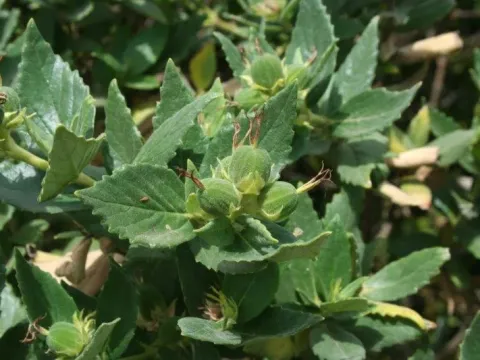
Adriana
Adriana
The sowing of the Adriana crop should be synchronized with regional climate patterns, typically starting when soil temperatures consistently reach 10-12 degrees Celsius. Ensuring proper timing is essential to avoid germination delays caused by cold, wet conditions.
What the section contains

Adriana
Proper seedbed preparation is the foundation of a successful crop, requiring a fine, uniform soil structure. Planting depth should be maintained at 3-5 cm to ensure that seeds have adequate moisture while being able to emerge vigorously.
Following a strict crop rotation schedule is vital for maintaining long-term soil fertility and reducing pest pressure. Adriana performs exceptionally well after cereals or leguminous crops that naturally improve soil health.
Adjusting seeding rates based on the specific environment and soil type prevents over-crowding, which can lead to competition for sunlight and resources. Precise calibration of sowing equipment is necessary for optimal spacing.
Treating seeds with fungicides before planting is a standard practice that protects vulnerable seedlings from early-season soil-borne pathogens. This small investment often leads to significantly higher stand establishment.
Adriana flourishes in well-drained, fertile soils with a balanced pH level, preferring loamy textures that allow for healthy root expansion. Soils prone to waterlogging should be avoided as they significantly hinder growth.
Adequate sunlight is essential for optimal photosynthetic efficiency and biomass accumulation. Selecting fields with maximum solar exposure throughout the day is a critical decision in the initial planning phase.
Water requirements peak during the stages of rapid vegetative growth and flowering, necessitating irrigation in arid conditions. However, balanced moisture management is key, as excess water facilitates the development of root diseases.
Balanced fertilization, particularly the application of nitrogen, phosphorus, and potassium, should align with the growth stages of the plant. Precision application avoids nutrient leaching and promotes healthy development.
Regular maintenance of fields through inter-row cultivation helps in weed suppression and soil aeration. This process improves water infiltration and ensures that oxygen reaches the root zone efficiently.
The Adriana crop is susceptible to various pests, including leaf-feeding insects that can significantly reduce photosynthetic area. Integrated pest management (IPM) strategies should be implemented to maintain populations below economic thresholds.
Fungal diseases are a major concern, particularly during periods of high humidity and moderate temperatures. Regular field scouting and the strategic application of fungicides are necessary to protect the crop yield.
Bacterial pathogens often exploit wounds or plant stressors, leading to systemic infections. Maintaining overall plant vigor through proper nutrition and crop protection is the best defense against these diseases.
Weed control is mandatory throughout the early to mid-growth stages to prevent competition for essential nutrients. Utilizing herbicides or mechanical weeding ensures that the crop achieves its full genetic potential.
- Susceptibility to rust under humid conditions
- Potential damage from soil-dwelling larvae
- Invasive weed species causing nutrient depletion
Harvesting Adriana at the precise stage of physiological maturity is crucial for maximizing yield and maintaining quality. Delaying harvest risks significant losses due to grain or seed shattering and environmental damage.
Modern harvesting equipment, when correctly configured, allows for efficient gathering of the crop with minimal mechanical damage. Operators should pay close attention to machine settings during operation.
Post-harvest conditioning, including thorough cleaning and drying, is essential for safe storage. Reducing grain moisture to target levels prevents fungal growth and insect infestation in storage facilities.
Efficient logistics from the field to the storage facility minimizes exposure to unfavorable weather conditions. Proper planning ensures that the crop maintains its high market value after being harvested.
Consistent monitoring of harvest parameters ensures that the agricultural cycle ends with optimal productivity. Every step, from early sowing to the final harvest, contributes to the overall success of the Adriana crop.