
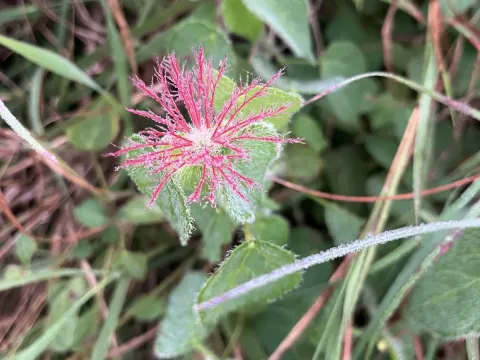
Acalypha villicaulis
Acalypha villicaulis
Acalypha villicaulis is a perennial shrub belonging to the Euphorbiaceae family. This species is native to tropical Africa, where it naturally thrives in savannahs, forest edges, and disturbed land, showcasing its adaptability to various environmental niches.
What the section contains
Acalypha villicaulis
The plant requires well-drained, nutrient-rich soils to reach its full vegetative potential. It is strictly sensitive to freezing temperatures, meaning it performs best in regions that maintain a warm, frost-free climate throughout the year, typically between 20°C and 28°C.
Morphologically, the plant is distinguished by its pubescent (hairy) stems and leaves, which serve as an adaptation to minimize water loss. The inflorescences are characteristically elongated, spike-like structures that are typical for the genus Acalypha.
Agricultural management of this crop involves maintaining consistent soil moisture levels and ensuring adequate exposure to sunlight. While the plant is resilient, supplementary irrigation is essential during dry spells to ensure healthy growth and the production of flowering biomass.
In terms of economic and practical use, Acalypha villicaulis is highly valued in indigenous medical systems. Its chemical profile, which includes various bioactive compounds, is utilized in traditional preparations to treat various inflammatory conditions and digestive ailments.