
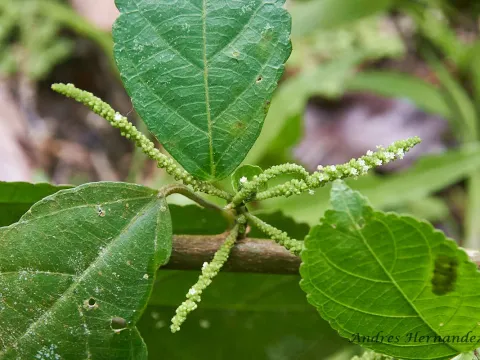
Acalypha diversifolia
Acalypha diversifolia
Acalypha diversifolia is a perennial evergreen shrub or small tree belonging to the diverse Euphorbiaceae family. This species is native to tropical environments, showcasing a robust biological structure typical of plants in the humid tropics of Central and South America.
What the section contains
Acalypha diversifolia
The plant thrives in regions where the climate remains consistently warm, ideally between 22°C and 28°C. It is strictly sensitive to frost and requires a stable, warm environment to maintain its growth, making it a staple of tropical agricultural landscapes.
Soil requirements for Acalypha diversifolia include a nutrient-rich, well-draining substrate. The plant prefers slightly acidic to neutral soils that retain moisture without becoming waterlogged, as poor drainage is a primary cause of physiological stress in this species.
Agricultural management requires consistent irrigation protocols and light shade to partial sun exposure. High air humidity is essential for the plant to thrive, as dry conditions often lead to leaf desiccation and stunted development of the canopy.
Beyond its ornamental appeal, the species holds potential in pharmacological research. Its leaves and stems contain bioactive compounds that are traditionally studied for their potential medicinal properties, particularly in anti-inflammatory and antiseptic applications.
Pest pressure on Acalypha diversifolia is most significant from sap-sucking insects such as spider mites and mealybugs. These pests are particularly active during dry seasons or in enclosed greenhouse environments with poor airflow.
Root rot caused by fungal pathogens is the primary disease threat, typically triggered by excessive soil moisture and poor drainage. This condition can rapidly lead to the collapse of the vascular system if not addressed with improved cultural practices.
Integrated pest management strategies should include regular inspection of the underside of leaves and the application of horticultural oils or soaps as a primary defensive measure against mite infestations.
Environmental control is the best defense against disease; maintaining optimal air circulation prevents the accumulation of moisture on the foliage, which is a prerequisite for powdery mildew and other foliar infections.
Implementing a strict sanitation program, including the removal and destruction of debris, helps to break the lifecycle of pests and prevents the spread of soil-borne pathogens within the growing area.