
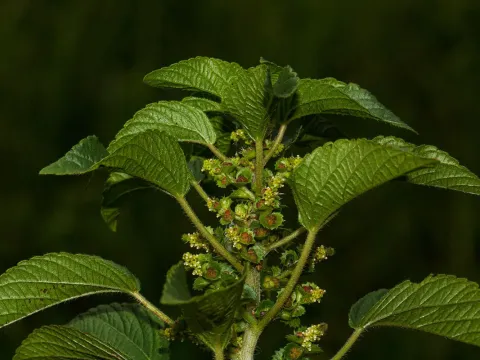
Acalypha crenata
Acalypha crenata
Acalypha crenata is a species belonging to the Euphorbiaceae family, widely recognized for its rapid growth in tropical and subtropical regions. Sowing is typically initiated at the beginning of the rainy season to ensure sufficient moisture for seed germination.
What the section contains
Acalypha crenata
The seeds require a consistent ambient temperature, ideally between 22 and 26 degrees Celsius, to achieve a high percentage of germination. Preparing a fine seedbed is essential to provide the necessary contact between the seeds and the soil particles.
Given the small size of the seeds, they should be sown shallowly, ensuring they are only lightly covered with a thin layer of soil. This depth allows the seeds to receive the light exposure necessary to trigger the germination process.
Once seedlings have reached the two-leaf stage, thinning is recommended to maintain an optimal planting density. This practice prevents the overcrowding of plants, which can otherwise lead to stunted growth and resource competition.
In greenhouse settings, sowing can be staggered throughout the year to ensure a continuous supply of plant material. Proper spacing at the sowing stage is critical for the long-term success and vigor of the crop.
This crop thrives in well-drained, fertile soils with high organic matter content. Ensuring the soil has an effective drainage system is vital to prevent waterlogging, which often leads to root rot and other physiological disorders in Acalypha species.
Acalypha crenata requires a high amount of solar radiation for optimal development, although it benefits from light shading during the hottest parts of the day to protect the foliage from scorching. Too much shade often results in leggy, weak plants.
The plant is sensitive to thermal stress, preferring constant temperatures throughout the growing cycle. It has very low tolerance for cold weather, and temperatures dropping below 10-12 degrees Celsius will significantly impede development.
Regular irrigation is necessary to maintain the plant's metabolic activity, especially during the peak of the growing season. The soil should remain consistently moist but never saturated, as the plant reacts negatively to standing water.
Proper nutrient management is essential; applying a balanced fertilizer during the vegetative stage helps promote leaf development. As the plant enters the reproductive phase, adjustments to the fertilizer composition are required to support floral structures.
Spider mites are the most common pests associated with Acalypha crenata, particularly in arid climates or greenhouses with low humidity. These pests feed on the underside of leaves, causing characteristic mottling and eventual leaf abscission.
Mealybugs also pose a significant threat by clustering in the leaf axils and stems, where they extract plant sap. If left untreated, severe infestations can significantly weaken the plant's overall structural integrity.
Fungal diseases like root rot and powdery mildew are primarily caused by poor environmental management. Ensuring adequate spacing and airflow between rows can significantly reduce the risk of humidity-related fungal issues.
Whiteflies can also transmit various pathogens, making it imperative to monitor fields frequently. Early detection is crucial, as whitefly populations can multiply rapidly under favorable climatic conditions.
Integrated pest management strategies are recommended, utilizing both cultural controls like weed removal and chemical interventions when necessary to ensure the health and productivity of the crop.