
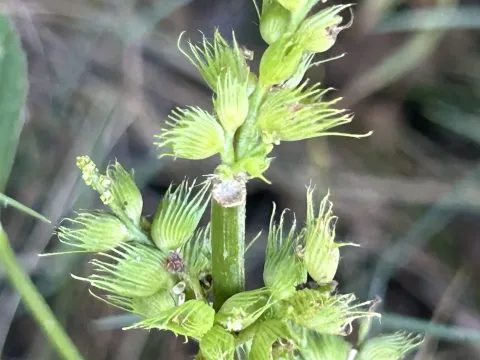
Acalypha ciliata
Acalypha ciliata
Acalypha ciliata is an annual herbaceous plant, and its sowing is typically scheduled at the beginning of the rainy season. Warm, moist soil is essential for quick germination and initial root development, ensuring a uniform crop stand.
What the section contains
Acalypha ciliata
Seeds should be sown at a shallow depth, as the small seedlings have limited energy reserves to emerge from deep within the soil. Proper seedbed preparation is vital to ensure optimal contact between the soil particles and the seeds.
In the first weeks after germination, moisture management is critical. Consistent irrigation or rainfall helps the crop establish quickly, allowing it to shade the ground and naturally suppress weed growth in the inter-rows.
Row planting is the preferred method for commercial cultivation as it facilitates mechanical maintenance, including weed control and top-dressing. High-quality seeds with high germination energy are essential for achieving consistent yields across the field.
Agronomists recommend testing seed batches for purity to ensure that no invasive weeds or pathogens are introduced during the sowing process. Proper timing ensures that the crop reaches its peak growth during the most favorable weather conditions.
As a member of the Euphorbiaceae family, Acalypha ciliata thrives in tropical environments. It requires a stable temperature range of 25–30 degrees Celsius and performs best in well-drained, fertile soils with a neutral pH balance.
While the plant is quite adaptable, it is highly sensitive to waterlogging. Therefore, selecting fields with good drainage or implementing raised beds is crucial for preventing root rot and ensuring vigorous plant development.
The plant is photophilic and grows most effectively under direct sunlight. While it can survive in partial shade, intense light promotes the development of strong, fibrous stems and a higher accumulation of nutrients in the foliage.
Soil fertility management is essential. Acalypha ciliata responds well to organic matter incorporation before planting, which improves soil structure and nutrient holding capacity. Regular monitoring of nutrient levels ensures that the crop reaches its full potential.
Good soil aeration is also a prerequisite. Regular cultivation between rows helps keep the soil loose, allowing oxygen to reach the root zone, which is vital for the metabolic health of the plant throughout its growing season.
The primary use of Acalypha ciliata is for forage, providing a high-quality source of biomass for livestock. The crop is valued for its rapid growth rate, allowing for multiple harvests within a single growing cycle.
Yield productivity is heavily dependent on the quality of agronomic practices, specifically the timing of harvesting. The most nutrient-dense forage is obtained when the plant is harvested just before the flowering stage.
The plant demonstrates an excellent ability to regenerate after cutting. By optimizing harvest heights, farmers can encourage lateral shoot production, significantly increasing the total tonnage per hectare over the growing season.
The biomass harvested can be utilized as fresh green feed or processed into silage. Proper preservation is key to maintaining the palatability and nutritional value of the crop for off-season feeding requirements.
Efficient land use is achieved when density and harvest schedules are balanced. Acalypha ciliata remains one of the more versatile forage options in tropical agriculture due to its consistent yield performance and ease of management.
Fungal diseases are the primary threats to Acalypha ciliata, particularly when humidity levels remain consistently high. Leaf spots and mold can develop quickly if the air circulation within the canopy is restricted.
Pests such as aphids and spider mites frequently target the tender shoots, causing stunted growth and leaf curling. Integrated pest management, including regular crop scouting and biological controls, is highly effective.
Preventative measures like maintaining proper plant spacing are crucial for disease prevention. Reducing canopy density helps air move through the crop, effectively lowering the humidity around the leaves and stems.
The application of chemicals should be minimized to avoid residues, especially when the biomass is intended for animal feed. If treatment is necessary, selecting products with a short pre-harvest interval is standard practice.
Vigorous, well-fertilized crops are naturally more resistant to pest attacks. Maintaining optimal plant health through balanced nutrition is one of the most effective ways to mitigate the damage caused by common agricultural pathogens.
Harvesting Acalypha ciliata is typically done using mechanical mowers. Proper calibration of equipment is necessary to ensure the cuts are clean, which promotes faster recovery and reduces the risk of tissue damage at the stem base.
Speed is critical during the harvest to maintain biomass quality. Once cut, the green material should be gathered and transported to the processing area promptly to avoid degradation caused by direct sun exposure and wilting.
If the material is intended for silage, immediate compaction and sealing are necessary to create the right anaerobic conditions. This prevents the loss of nutrients and the development of harmful fermentation products.
Regular harvesting cycles are essential to prevent the plants from becoming overly lignified. As the stems age, their fiber content increases and their overall forage quality decreases, making timely scheduling vital for profit.
Post-harvest analysis of the crop allows agronomists to evaluate the effectiveness of the current season's strategy. Tracking yield patterns helps in planning future adjustments to fertilization and irrigation programs for higher efficiency.