
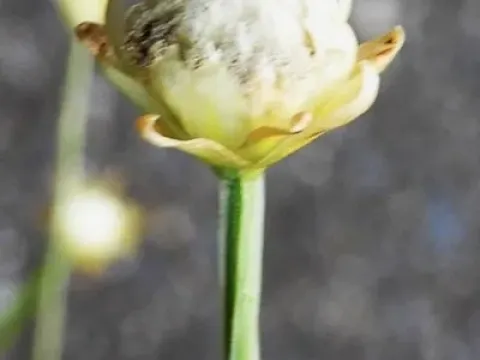
Eriocaulon nipponicum
Eriocaulon nipponicum
Eriocaulon nipponicum is a rare aquatic plant species belonging to the Eriocaulaceae family. It is native to Japan and parts of East Asia, typically thriving in soft-water wetlands and moist substrates near shallow water bodies.
What the section contains
Eriocaulon nipponicum
This species is characterized by its compact rosette form with rigid, needle-like leaves that are highly valued by hobbyists for aquascaping. Its root system is extensive and demands a nutrient-rich, fine-grained substrate to sustain healthy growth over time.
Cultivation requirements include a high-intensity lighting setup and consistent carbon dioxide (CO2) injection. These inputs are vital for maintaining the plant's metabolic rates and preventing stunted growth in the dense rosette structure.
Water chemistry must be strictly controlled, focusing on low general and carbonate hardness (soft water). It is highly sensitive to fluctuations in water parameters, requiring stable conditions to prevent the transition into a dormant or decaying state.
Temperature should remain in a moderate range to avoid heat stress. A well-aerated system with a balanced fertilizer regimen, including both liquid and root-absorbed nutrients, is essential for its long-term health.
The primary threat to Eriocaulon nipponicum is the rapid colonization by various algae species. Since it is a relatively slow-growing plant, it cannot compete with aggressive algae for nutrients and light, necessitating strict environmental control.
Excessive organic waste build-up in the substrate can lead to root rot. Maintaining a clean substrate through adequate biological filtration is necessary to prevent pathogenic fungal and bacterial infections in the root zone.
Nutrient deficiencies, particularly regarding trace elements like iron, can manifest as chlorosis or fading of the green color. Monitoring the nutrient profile of the water column is required to provide necessary supplements before damage occurs.
Mechanical damage to the leaves caused by improper handling or aggressive tank mates can disrupt the integrity of the plant. Since the leaves are fragile at the base, gentle maintenance is required during tank cleaning.
Light spectrum imbalance can trigger poor growth patterns, causing the plant to lose its characteristic compact shape. Using full-spectrum LED lighting designed for plant growth helps mitigate these potential development issues.