
Eriocaulon nigricans
Eriocaulon nigricans
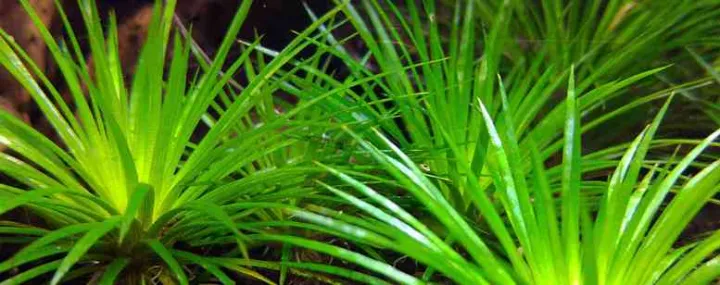
Description
Growing requirements
Eriocaulon nigricans belongs to the family Eriocaulaceae and is a unique herbaceous species native to tropical regions, typically thriving in acidic and nutrient-poor wetlands.
Botanically, this plant forms a dense rosette of narrow, rigid leaves and produces specialized capitate inflorescences on slender stalks, which are characteristic of this genus.
The natural habitat of this species is defined by specific ecological niches where water is soft, slightly acidic, and contains low levels of dissolved minerals.
Successful cultivation requires intense lighting conditions combined with a sophisticated water management system that maintains a low carbon hardness throughout the growth cycle.
Soil requirements involve using specialized, high-porosity substrates that promote healthy root development while preventing the accumulation of anaerobic pockets in the planting medium.
Main diseases and pests
The primary threats to this culture include fungal infections and root rot, which are often triggered by stagnant water conditions and poor filtration systems.
Nutritional imbalances, particularly an excess of nitrogenous compounds, can lead to stunted growth and increased susceptibility to opportunistic pathogenic microorganisms.
Algal blooms act as a significant competitor, depriving the plant of essential light and nutrients and often smothering the delicate rosette structure.
Invasive pests, though less common in controlled aquatic environments, can cause mechanical damage to the leaves, introducing secondary bacterial pathogens into the plant tissue.
Proactive management of water quality, regular monitoring of pH levels, and maintaining optimal dissolved oxygen concentrations are essential for mitigating these biological risks.