
Eriocaulon luzulaefolium
Eriocaulon luzulaefolium
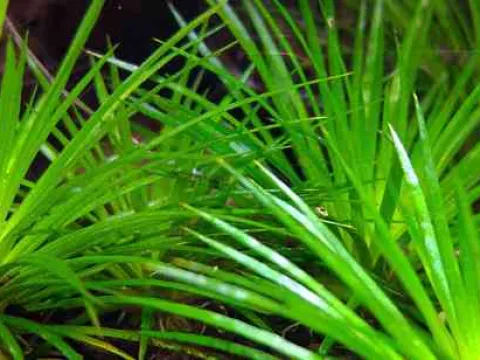
Eriocaulon luzulaefolium is a distinct herbaceous perennial belonging to the Eriocaulaceae family. Native to tropical regions of Asia, it is primarily found in wetland habitats, flourishing in shallow waters where the substrate is rich in organic matter and the water is soft.
What the section contains
Eriocaulon luzulaefolium
The botanical structure consists of a dense, tight rosette of slender, slightly curved leaves. Its root system is delicate but vital, requiring a nutrient-dense, fine-grained substrate that allows for easy root penetration and maintains the necessary chemical balance for healthy growth.
For successful cultivation, strict adherence to water parameters is required. The plant demands soft water with low carbonate hardness and consistent carbon dioxide (CO2) supplementation, which is essential to trigger its biological activity and maintain its structural integrity.
Light intensity plays a crucial role in the development of this species. High-output, full-spectrum lighting is necessary to prevent the plant from becoming leggy and to ensure that the rosette remains compact, vibrant, and dense throughout the growing season.
Temperature management should be centered between 22 and 26 degrees Celsius. Maintenance routines must include frequent water changes to minimize organic accumulation, as the plant is highly sensitive to the presence of nitrates and phosphates, which can easily trigger unwanted growth.
Algae proliferation represents the primary threat to the stability of Eriocaulon luzulaefolium. As a relatively slow-growing species, it cannot compete with aggressive algae like hair algae or staghorn, which can quickly smother the delicate leaf structure and inhibit photosynthesis.
Root rot is a common issue typically caused by compacted or anaerobic substrate conditions. If the soil becomes too dense, it prevents oxygen from reaching the roots, causing the base of the plant to decay and eventually leading to the death of the entire specimen.
Nutrient deficiency, specifically a lack of chelated iron, often manifests as leaf chlorosis. This condition results in the whitening or yellowing of leaves and structural weakness, requiring precise supplementation to restore the plant's natural health and color.
Pest damage from certain snail species can also be significant. Small aquatic snails may consume the tender new leaves emerging from the center of the rosette, preventing the plant from reaching its full size and causing visible aesthetic damage.
Transplantation shock is a common hurdle for growers. Because the plant is highly sensitive to environmental changes, sudden shifts in water chemistry or temperature during maintenance can cause the plant to shed older leaves as a stress-response mechanism.