
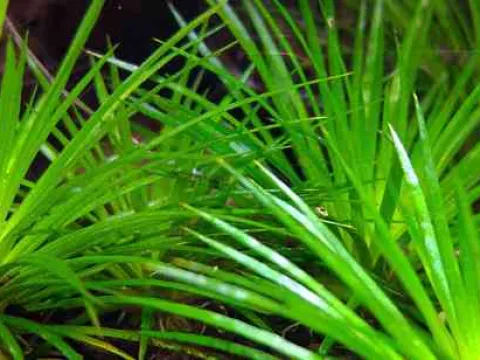
Eriocaulon parvum
Eriocaulon parvum
Eriocaulon parvum is a unique aquatic plant belonging to the Eriocaulaceae family. Originally native to the wetland regions of Southeast Asia, this species has become a prized specimen in high-tech aquascaping due to its compact and spherical growth habit.
What the section contains
Eriocaulon parvum
Botanically, it is characterized by rigid, needle-like leaves arranged in a tight rosette. This plant acts as a key indicator species in an aquarium, as it requires highly specific environmental conditions to maintain its structural integrity and vibrant green color.
The core requirement for successful cultivation is the use of high-intensity lighting combined with a strict CO2 injection regimen. Maintaining a steady flow of CO2 is essential to support the plant's metabolic processes and ensure its growth remains dense and healthy throughout the year.
Soil management is equally critical for this species. It thrives best in nutrient-rich, fine-grained substrate systems that allow for optimal root respiration. The substrate must remain free of compacted organic waste to prevent the onset of anaerobic zones that can damage the root system.
Water chemistry management must prioritize low hardness, typically achieved through reverse osmosis and controlled re-mineralization. The ideal parameters include a slightly acidic pH and very low carbonate hardness (KH), which mimics the natural habitats where this delicate plant evolved.
The primary threat to Eriocaulon parvum is the imbalance of the NPK ratio, which often triggers rapid algae growth that physically smothers the rosette. Additionally, sudden spikes in temperature can lead to melting of the basal tissue and permanent structural damage.
Pathogenic fungi can become a significant issue if the substrate is too rich in un-decomposed organic matter. Furthermore, the use of harsh chemical treatments or improper aquatic fertilizers containing heavy metals can lead to acute toxicity, causing the plant to shed its leaves prematurely.