
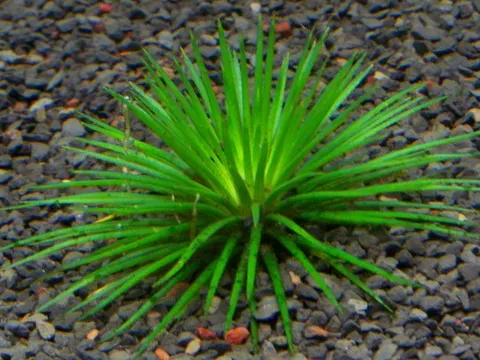
Eriocaulon oryzetorum
Eriocaulon oryzetorum
Eriocaulon oryzetorum is an herbaceous perennial plant that belongs to the Eriocaulaceae family. It is historically found in wet habitats, particularly rice paddies, from which its specific epithet is derived.
What the section contains
Eriocaulon oryzetorum
Sowing should take place in controlled aquatic conditions where temperatures remain stable. The seeds require significant light exposure and a consistent moisture level to successfully germinate in the substrate.
It is essential to use a nutrient-rich, fine-grained substrate that supports the development of a delicate root system. Protecting the seeds from disturbance during the early stages of establishment is crucial for survival.
In artificial environments, the propagation process is slow and demands patience. Maintaining the correct depth of water over the substrate allows the plant to access necessary nutrients without submerging the foliage too deeply.
The establishment phase benefits from a stable chemical environment. Ensuring the pH levels are slightly acidic will significantly increase the success rate of the emerging seedlings.
Eriocaulon oryzetorum requires high-intensity lighting to thrive, mimicking the open exposure of tropical wetland environments. Insufficient light results in stunted growth and a loss of the plant's characteristic vibrant color.
Water quality is of paramount importance; the plant prefers soft to moderately hard water with a stable pH. Regular water changes are necessary to remove pollutants and ensure the availability of dissolved minerals.
A temperature range of 22 to 28 degrees Celsius is considered optimal for the vegetative development of this species. Consistent warmth prevents metabolic slowdown and supports the healthy expansion of the leaf rosette.
Carbon dioxide supplementation is often necessary in closed systems to enhance photosynthetic efficiency. This nutrient, combined with a fertile substrate, encourages robust leaf production and a healthy overall appearance.
Water circulation should be gentle but effective. Stagnant water conditions can lead to the accumulation of waste products, which directly impacts the health of the plant’s sensitive root system.
The primary threats include fungal pathogens that exploit poor water conditions. If organic matter accumulates, it creates an environment where mold and bacteria can attack the base of the rosette.
Algal competition, particularly from filamentous species, poses a significant risk. These algae can quickly overgrow the plant, effectively blocking light and causing the specimen to deteriorate.
Nutrient deficiencies, particularly in microelements like iron and manganese, make the plant susceptible to chlorosis. Weakened plants are less capable of fighting off diseases and environmental stressors.
Invertebrate pests can cause physical damage to the leaves. Monitoring the health of the plants is essential to catch early signs of infestation and prevent widespread damage across the cultivation site.
Mechanical stress during maintenance can damage the fragile structure of the plant. Such injuries often lead to rot, necessitating careful handling and the use of appropriate tools during cleaning or trimming.