
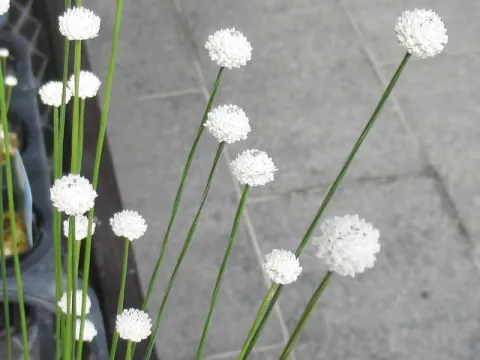
Eriocaulon nudicuspe
Eriocaulon nudicuspe
Eriocaulon nudicuspe is a distinctive plant species belonging to the Eriocaulaceae family. It is primarily found in wetlands and moist habitats across East Asia, particularly in Japan. In an agricultural and aquascaping context, it is highly valued for its rosette-forming, needle-like foliage that provides a unique aesthetic to water gardens and aquariums.
What the section contains
Eriocaulon nudicuspe
Botanically, it is classified as a monocotyledonous perennial that thrives in wet, nutrient-rich environments. Its compact growth habit and striking appearance make it a favorite among enthusiasts who practice high-tech aquatic plant cultivation.
This culture requires specific environmental conditions to thrive, including very soft water with low carbonate hardness (KH) levels. A slightly acidic environment, typically maintained between pH 6.0 and 6.8, is necessary to ensure optimal nutrient absorption by the plant.
High-intensity lighting is crucial for the healthy development of Eriocaulon nudicuspe. Because it is a relatively slow grower, it requires a balanced photoperiod of at least 8 to 10 hours daily to prevent stunted growth and leaf degradation.
The choice of substrate is vital, as the plant relies heavily on its root system for nutrient uptake. A fine-grained, nutrient-rich soil that is designed for aquatic plants is recommended to promote deep root penetration and steady, long-term development.
Environmental instability represents the primary threat to the vitality of Eriocaulon nudicuspe. Fluctuations in water chemistry, especially rapid changes in pH or mineral content, can lead to the sudden collapse of the plant's structural integrity.
Algal competition poses a significant risk to the plant's health. Since Eriocaulon nudicuspe grows slowly, it cannot easily compete with aggressive algae species, which can cover its leaves, block light access, and starve the plant of essential resources.
Root rot is a common ailment typically caused by poor substrate management or oxygen deprivation within the soil. When the soil becomes compacted or anaerobic, the roots quickly deteriorate, leading to the rapid decay of the entire rosette structure.
Improper temperature control can also trigger health issues. Maintaining water temperatures consistently within the 20-25 degrees Celsius range is necessary; temperatures exceeding these levels often lead to metabolic stress and increased vulnerability to pathogens.
Nutrient deficiencies, particularly involving micronutrients such as iron and magnesium, manifest as yellowing or chlorosis in younger leaves. If left untreated, these deficiencies significantly reduce the plant's resilience and decorative value.