
Eriocaulon miquelianum
Eriocaulon miquelianum
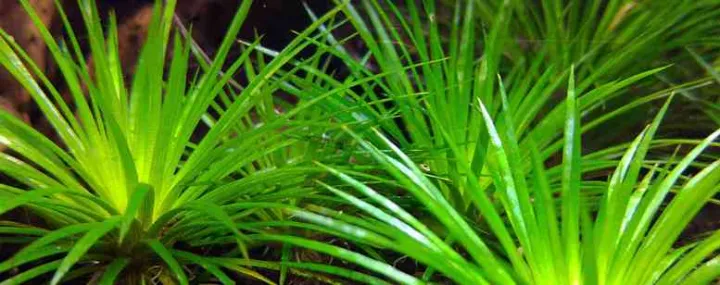
Description
Growing requirements
Eriocaulon miquelianum is a perennial plant belonging to the Eriocaulaceae family. Native to tropical Asian regions, it is found in wetland habitats where it typically grows in acidic, nutrient-poor, and soft water conditions.
Successful cultivation of this species in an aquarium environment requires strict adherence to water parameters. It thrives best in soft water with a low general hardness (GH) and a pH ranging from 6.0 to 6.5, mimicking its natural acidic home range.
High-intensity lighting is an absolute requirement for this plant. Without powerful light sources, Eriocaulon miquelianum will rapidly lose its compact, rosette-like form and eventually perish due to an inability to maintain its metabolic activities.
Fertilization should be handled through both the water column and the substrate. A high-quality, nutrient-rich soil is essential for root development, while carbon dioxide (CO2) injection is mandatory to support its rapid growth and health.
Temperature control is also significant for this species, with an optimal range between 22 and 26 degrees Celsius. Stability is key; any rapid fluctuations in environmental parameters can lead to stunted growth or total plant collapse.
Main diseases and pests
The primary threat to this plant is algae colonization. Since Eriocaulon miquelianum grows relatively slowly, algae can easily overtake the leaves, hindering photosynthesis and eventually suffocating the plant.
Root rot is a common issue caused by anaerobic conditions in the substrate, usually resulting from inadequate drainage or excessive organic matter accumulation within the soil layers.
Nutrient imbalances, particularly iron deficiency, often lead to chlorosis, where the leaves become pale and lose their vibrant structural integrity.
Poor water circulation can also cause localized stagnation, leading to the buildup of detrimental biofilms around the delicate leaf rosettes.
Invasive tank inhabitants, such as certain snails or shrimp, might occasionally damage the tender leaf tissues if they are underfed, leading to secondary fungal infections.