
Eriocaulon eleonorae
Eriocaulon eleonorae
Description
Growing requirements
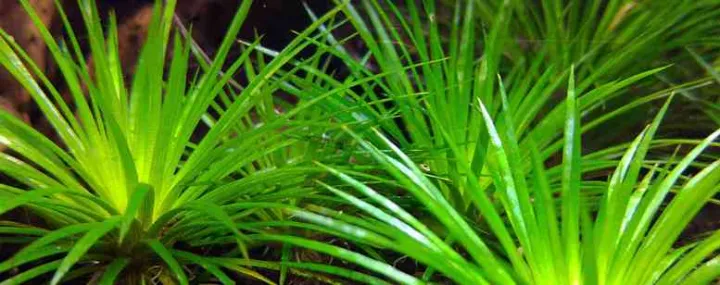
Eriocaulon eleonorae is a sophisticated herbaceous plant belonging to the Eriocaulaceae family. Native to tropical regions of Asia, it thrives in soft-water wetlands and swampy environments, developing a characteristic rosette form that is highly sought after by aquatic plant enthusiasts worldwide.
The plant is defined by its stiff, needle-like leaves that grow in a dense, radial pattern. In agricultural and horticultural contexts, this species is considered a specialty crop, requiring precise environmental controls to mimic its natural habitat and ensure its long-term survival and propagation.
Water quality is the most critical factor for this species. It demands very soft, acidic water with low total and carbonate hardness. Maintaining these conditions often requires the use of RO/DI (Reverse Osmosis/Deionization) water supplemented with specialized mineral salts to ensure healthy growth and root development.
Substrate management is equally vital for Eriocaulon eleonorae. It flourishes best in nutrient-rich, active aquatic soils that help stabilize the pH and provide essential minerals to the root system, which is the primary organ for nutrient uptake in this semi-aquatic plant.
Consistent CO2 injection combined with high-intensity, full-spectrum lighting is essential to drive the plant's metabolic processes. Providing a steady supply of micronutrients is necessary, as deficiencies quickly manifest as stunted growth or chlorosis in the delicate leaves of the rosette.
Main diseases and pests
The primary threat to the stability of an Eriocaulon culture is the presence of pathogenic algae. Because the plant has a slow growth rate, it is highly susceptible to being outcompeted by rapid-growing algae species that cover the leaves and prevent light absorption, leading to necrosis.
Another major risk involves the degradation of water stability. Rapid fluctuations in water temperature or nitrogenous compounds often lead to the collapse of the plant's structural integrity. Ensuring a balanced micro-ecosystem is the only way to prevent internal rot and the eventual death of the specimen.