
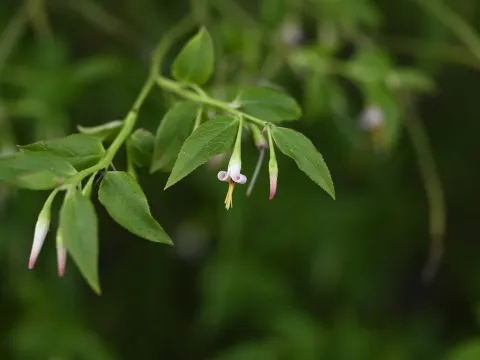
Japanese blueberry
Vaccinium japonicum
The Japanese blueberry (Vaccinium japonicum) is a deciduous shrub belonging to the Ericaceae family. It is a distinct species noted for its specific growth habits and its botanical affinity to other members of the Vaccinium genus.
What the section contains
Japanese blueberry
Originating from the mountainous regions of Japan, this plant naturally inhabits cool, moist forest environments. Its cultivation requires mimicking these specific conditions to ensure long-term health and productivity of the shrub.
A key requirement for this culture is highly acidic, well-draining soil rich in organic matter. Sandy-peaty substrates are ideal, as they provide the necessary aeration and moisture retention that prevent the roots from suffocating.
The agricultural management involves regular mulching with pine needles or bark to preserve soil acidity and suppress weed growth. Sufficient light is necessary for plant vigor, yet protection from intense, direct midday sun is beneficial in warmer regions.
Given its specialized ecological needs, the plant is often utilized in specialty gardens, rockeries, or as an ornamental specimen that offers both aesthetic beauty and botanical interest.
The primary threats to Vaccinium japonicum are soil-borne pathogens and root rots, typically triggered by improper drainage or excessive soil moisture. Maintaining an airy and well-draining environment is the best preventative strategy.
Foliar pests, such as aphids and spider mites, may infest the plants during hot and dry weather conditions. Regular inspection and the application of horticultural soaps are recommended to manage these threats effectively.
Nutrient deficiency, specifically iron chlorosis, occurs when the soil pH rises above the optimal range for Ericaceous plants. This condition requires monitoring and potentially amending the soil with acidic fertilizers to restore plant health.
Extreme winter temperatures and drying winds can cause significant damage to young or exposed specimens. Protective measures, such as burlap wrapping or thick mulching, help mitigate winter-related stress to the woody stems.
Integrated pest management and good cultural practices, such as removing dead branches and ensuring adequate airflow, are essential for minimizing the risk of disease and maintaining a robust plant population.