
Japanese heptamerous rhododendron
Rhododendron japonoheptamerum
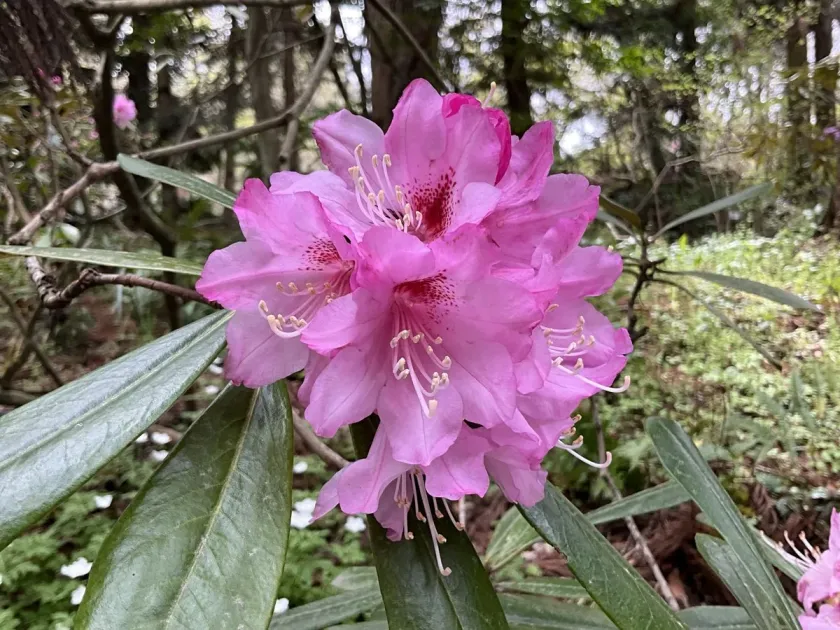
Description
Growing requirements
Rhododendron japonoheptamerum, a member of the Ericaceae family, is an evergreen shrub characterized by its unique flowers and robust foliage. Originating from the mountainous forests of Japan, this species is highly valued for its ornamental appeal in specialized gardening.
Cultivation requires a specific microclimate, ideally in regions with cool, moist summers and protected from harsh, drying winds. Partial shade is essential to prevent leaf scorch and to maintain the plant's health during periods of peak summer heat.
The soil profile must be highly acidic, typically ranging between 4.5 and 5.5 pH. It is crucial to ensure the planting medium is composed of well-drained organic matter, such as peat moss mixed with pine bark, to provide the necessary structure for the root system.
Regular irrigation is vital, as the plant possesses a shallow root system that is highly sensitive to moisture fluctuations. Using rainwater is recommended to avoid the negative effects of calcium salts found in tap water, which can increase soil pH.
Cultural maintenance involves the application of acidic mulch around the base of the shrub. This practice retains soil moisture, suppresses weeds, and mimics the natural forest floor conditions that the species requires for optimal nutrient uptake.
Main diseases and pests
Phytophthora root rot remains the most significant threat to Rhododendron japonoheptamerum in cultivation. This disease often occurs in poorly drained soils and can be fatal if not managed with immediate fungicide application and improved drainage.
Powdery mildew may appear on leaves during seasons with stagnant air and high humidity. Improving air circulation through judicious pruning and applying appropriate fungicidal sprays are standard methods for controlling these fungal outbreaks.
Insect pests, specifically the rhododendron lace bug, represent a common challenge. These insects suck plant sap, leading to foliage chlorosis and loss of aesthetic value, requiring timely intervention with systemic insecticides.
Vine weevil larvae are another threat, as they feed on the roots, often going unnoticed until the plant shows signs of sudden wilting. Preventative soil drenching with biological or chemical agents is effective in protecting the root system.
Nutrient deficiencies, particularly iron chlorosis, are common if the soil pH rises above the optimal range. Regular testing and the use of acidifying fertilizers are essential to ensure the plant maintains its deep green leaf color and vigor.