
Kalmia
Kalmia L.
Kalmia (Kalmia L.) is a genus of evergreen shrubs belonging to the Ericaceae family. Native to North America, these plants thrive in cool, temperate environments where soil conditions mimic their natural woodland habitat.
What the section contains


Kalmia
The plant is distinguished by its leathery leaves and unique, bowl-shaped flowers that bloom in clusters. It is a slow-growing species, making it an excellent candidate for specialized landscaping and ornamental gardening.
The primary horticultural requirement for Kalmia is acidic, well-draining soil rich in organic matter. They are highly sensitive to soil pH and require consistent moisture without being waterlogged, as poor drainage is fatal.
When selecting a site, gardeners should aim for partial shade. Exposure to intense mid-day sun can scorch the foliage and dry out the sensitive root system, which is why mulching is standard practice in cultivation.
Kalmia is valued exclusively for its ornamental use in private and public gardens. It is frequently featured in ericaceous beds, shrub borders, and woodland landscapes, adding year-round structure and seasonal floral interest.
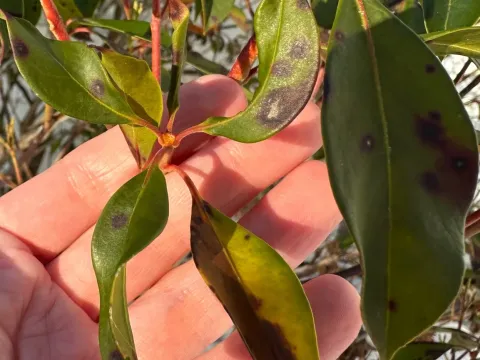
The main threats to Kalmia are fungal diseases such as leaf spot and root rot, which often occur due to improper watering or poor air circulation. Proper maintenance of the root zone's oxygen levels is essential.
Pests such as lace bugs and spider mites are common enemies of Kalmia in dry climates. Regular monitoring and the application of integrated pest management practices are necessary to maintain healthy, vigorous shrubs.