
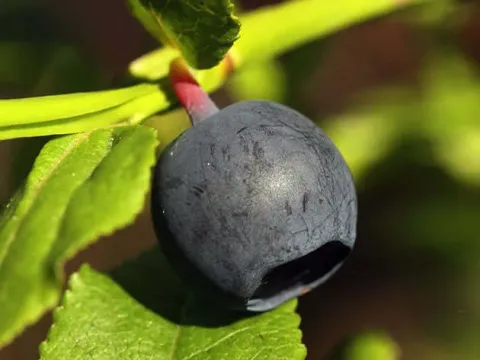
Hairy blueberry
Vaccinium hirtum
The Hairy blueberry, botanically known as Vaccinium hirtum, is a deciduous shrub belonging to the Ericaceae family. Native to the mountainous regions of East Asia, particularly Japan, this species is highly valued for its adaptation to high-altitude ecosystems and unique fruit characteristics.
What the section contains
Hairy blueberry
To successfully cultivate this species, growers must provide an environment that mimics its natural habitat. The soil must be highly acidic, typically with a pH between 4.5 and 5.5, and rich in organic matter. A well-drained, porous soil structure is essential to prevent root rot, which is the most common cause of failure in blueberry production.
Climate conditions are a critical factor; the plant thrives in areas with cool, temperate summers and sufficient annual rainfall. While it is hardy and can tolerate cold winter temperatures, it should be sheltered from harsh, drying winds that can damage the foliage and dehydrate the shrub during winter months.
Agricultural practices for Hairy blueberry include consistent mulching with pine bark or needles to maintain soil acidity and moisture levels. Nitrogen-based fertilizers designed for acid-loving plants should be applied sparingly, as the plant is sensitive to excessive salt accumulation in the root zone.
The primary use of this crop is fruit production, as the berries are highly nutritious and suitable for fresh consumption or culinary processing. Beyond its food value, the plant is increasingly used in landscape architecture as a decorative shrub, particularly prized for its vibrant red and orange autumn foliage.
The most prevalent threats to the Hairy blueberry are fungal infections, including Mummy berry disease and root rots caused by Phytophthora species. These pathogens thrive in conditions where soil drainage is poor or air circulation within the canopy is restricted by excessive density.
Pest pressures include various aphids, scales, and leaf-feeding caterpillars that can significantly reduce the photosynthetic capacity of the shrub. Integrated pest management (IPM) strategies, involving both physical monitoring and the use of targeted biological controls, are highly recommended.
Nutrient imbalances, particularly iron chlorosis, occur when soil pH rises above the optimal range, leading to yellowing leaves and reduced vigor. Regular monitoring of leaf tissue and soil chemical composition allows for timely adjustments in fertilization and pH management.
Birds are a major challenge during the harvest period, as they are naturally attracted to the ripe fruit. The installation of bird-netting systems is the standard practice in commercial and home garden settings to protect the potential yield and ensure an intact harvest.
To maintain long-term crop health, pruning is necessary to remove dead wood and encourage the growth of young, productive stems. Proper spacing between plants further ensures that sunlight reaches all parts of the shrub, discouraging the development of damp, mold-prone environments.