
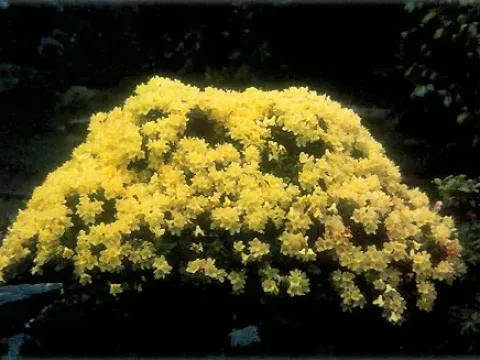
Hance Rhododendron
Rhododendron hanceanum
Hance Rhododendron (Rhododendron hanceanum) is a distinct evergreen shrub belonging to the Ericaceae family. Originating from the mountainous terrains of China, this species is highly valued in horticulture for its compact growth habit and delicate inflorescences.
What the section contains
Hance Rhododendron
The primary cultivation requirement is an acidic, well-draining soil medium. Gardeners should replicate the natural mountain habitat by using a mixture of peat moss, pine needles, and grit, ensuring that the roots are never subjected to waterlogged conditions.
Climatically, this culture thrives in cool, humid environments with protection from scorching afternoon sunlight. Ideally, it should be planted in partial shade, where the dappled light of trees creates a stable microclimate, preventing leaf scorch and dehydration.
Agricultural management requires meticulous attention to mulch layers. Since the root system is shallow and sensitive to temperature fluctuations, organic mulch like composted bark or wood chips is essential to maintain moisture and soil acidity throughout the year.
Fertilization must be strictly limited to products formulated for acid-loving plants. Avoid any calcium-based fertilizers, as they can rapidly increase the pH level, causing nutrient lockout and leading to severe chlorosis and stunted growth of the shrub.
Fungal pathogens such as Phytophthora root rot pose the most significant threat to the health of the plant. These infections thrive in poor drainage conditions, making the prevention of water stagnation the single most important maintenance task for the gardener.
Pests like lace bugs and spider mites are common enemies of Rhododendron hanceanum. These insects frequently attack the leaves during dry summer spells, causing speckled foliage and potential defoliation if left untreated for an extended period.
Effective pest management relies on consistent monitoring and the use of targeted insecticides. Biological controls or mild horticultural oils can be used to mitigate infestations, provided they are applied in accordance with the specific life cycle of the pest.
Iron deficiency, or chlorosis, is frequently observed if the soil pH rises above the optimal range of 4.5 to 5.5. Regular soil testing is recommended to ensure the acidity remains within the range that allows for proper mineral absorption.
Sanitation practices are essential for disease control. Removing dead or diseased branches allows for better airflow through the center of the shrub, which significantly reduces the humidity levels that favor the growth of molds and mildew on the foliage.