
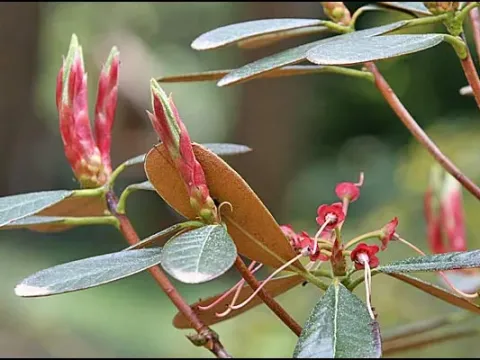
Heavenly Rhododendron
Rhododendron coelicum
The Heavenly Rhododendron (Rhododendron coelicum) is a distinguished member of the Ericaceae family, known for its exquisite appearance. It originates from the high-altitude regions of Tibet, where it thrives in cool, humid environments with well-drained alpine soils.
What the section contains
Heavenly Rhododendron
Cultivation of this species requires specific soil conditions, ideally acidic with a pH ranging from 4.5 to 5.5. It is essential to provide a substrate enriched with organic matter, such as peat or leaf mold, to ensure the plant receives the nutrients necessary for optimal development.
The plant performs best in sheltered locations with dappled shade, avoiding exposure to harsh midday sun and strong, desiccating winds. In temperate regions, it is crucial to protect the shrubs from extreme winter temperatures and frost, which can damage the delicate terminal buds.
Watering requirements are high, yet the soil must remain porous to prevent waterlogging. Soft or rainwater is preferred, as tap water containing high levels of calcium or magnesium can alter soil chemistry and lead to leaf chlorosis, weakening the overall plant structure.
This shrub serves primarily as a high-value ornamental plant in specialized landscaping and private gardens. Its distinct structural form and blooming capacity make it a coveted specimen for enthusiasts dedicated to cultivating rare mountain species within managed environments.
Common health issues include fungal pathogens such as Phytophthora root rot, which are often triggered by poor drainage. Maintaining an airy root zone and avoiding heavy, clay-based soils are fundamental strategies for preventing these destructive infections.
Pests, particularly the rhododendron lace bug and various mites, can cause significant damage by feeding on foliage. A consistent integrated pest management approach, including manual inspection and target-specific applications of insecticides, is recommended to maintain the plant's aesthetic integrity.