
Harrimanella
Harrimanella
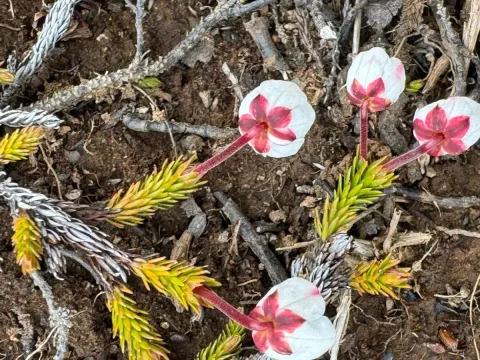
Harrimanella is a low-growing evergreen shrub belonging to the Ericaceae family. In nature, this genus is represented by two species distributed throughout the arctic and alpine zones of the Northern Hemisphere.
What the section contains

Harrimanella
The plant prefers a cold climate and is characterized by high frost resistance. In gardening, it is prized as a striking ground cover for alpine slides and rock gardens.
The crop has strict requirements for soil conditions: it needs acidic, moisture-retaining, yet well-drained substrate. Water stagnation is fatal to the root system, so powerful drainage is required on heavy clay soils.
Light exposure should be sufficient, but direct midday sun can lead to overheating, so areas with diffused light or light partial shade are preferred.
Agricultural practices include maintaining stable soil moisture without drying out, which is achieved through regular watering with soft water and mulching the root zone with peat or pine needles.
The main threats to Harrimanella are fungal diseases that develop due to excessive humidity and stagnant air. The most common are root rots and leaf spots, which occur when the agronomic regime is violated.
Among pests, spider mites and leaf rollers pose the greatest danger, especially during periods of anomalous drought, when the plant's weakened immunity cannot cope with insect attacks.
Disease prevention consists of maintaining optimal planting density and ensuring good air circulation around the bushes.
In case of pathogen infection, the use of specialized copper-based fungicides or systemic biological agents is recommended.
Regular inspection of the leaves and timely removal of damaged crown fragments allow maintaining the ornamental value of the culture throughout the growing season.