
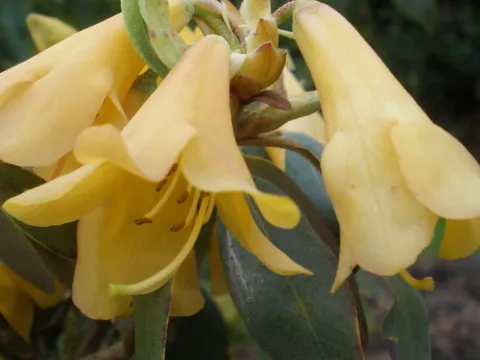
Rhododendron xanthocodon
Rhododendron xanthocodon
Rhododendron xanthocodon is a distinguished evergreen shrub belonging to the Ericaceae family. Originating from the high-altitude regions of the Himalayas and Tibet, it is naturally adapted to cool, misty environments and mountainous climates.
What the section contains
Rhododendron xanthocodon
To successfully cultivate this species, site selection is paramount. It thrives in partial shade, shielded from the intense afternoon sun and harsh winds. Maintaining high atmospheric humidity is crucial for the health of its distinctive, leathery foliage throughout the growing season.
The soil requirements are strict: the medium must be well-drained, porous, and highly acidic, with a pH range ideally between 4.5 and 5.5. A mixture of peat moss, decomposed conifer bark, and coarse sand provides the necessary structure and acidity for the plant's sensitive root system.
Irrigation must be carefully managed to keep the soil consistently moist but never waterlogged. Poor drainage often leads to root rot, which is the primary cause of failure in rhododendron cultivation. Mulching with organic matter is highly recommended to regulate temperature and retain moisture.
The plant benefits from protection during winter, especially in regions with severe frosts. While it is hardy in its native habitat, providing a layer of mulch and wind protection helps the shrub establish itself and ensures healthy spring growth in temperate garden settings.
Root rot caused by Phytophthora species is a major threat, particularly in poorly drained soils. Once established, this fungal disease is difficult to eradicate, necessitating an emphasis on preventative drainage measures rather than chemical treatment.
The rhododendron lace bug is a common pest that feeds on the undersides of leaves, causing chlorotic mottling and premature leaf drop. Integrated pest management, including systemic insecticides and regular inspection, is effective in keeping populations under control.
Spider mites can become problematic during hot, dry spells. They thrive in low humidity and can significantly weaken the plant if left unchecked. Regular misting of the foliage and the application of horticultural oils or miticides can mitigate their impact.
Iron chlorosis, characterized by yellowing of the leaf tissue between the green veins, typically indicates a soil pH that is too high. This prevents the plant from absorbing essential nutrients; correcting the soil acidity is the primary solution for this physiological disorder.
Leaf spot diseases, caused by various fungi, may occur if the foliage remains wet for extended periods in crowded conditions. Ensuring proper spacing between plants and maintaining good air circulation are vital practices to reduce the incidence of fungal infections.