
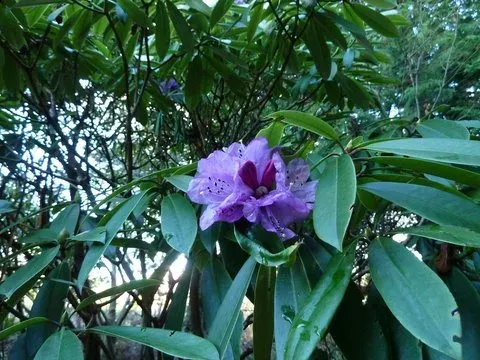
Ririei rhododendron
Rhododendron ririei
Rhododendron ririei is an evergreen shrub species belonging to the Ericaceae family. It is recognized for its robust growth habit and distinctive botanical characteristics that make it a prized specimen in specialized garden collections.
What the section contains
Ririei rhododendron
The native habitat of this plant is restricted to the mountainous regions of China. Due to its origin, the species requires a cool, humid climate and protection from extreme temperature fluctuations to thrive effectively.
The soil must be acidic, with a pH ranging between 4.5 and 5.5. An ideal growing medium includes a mixture of peat, pine bark, and organic matter to ensure both moisture retention and essential soil drainage for the root system.
Light exposure is a critical factor for success. Rhododendron ririei performs best in dappled shade. Direct, harsh sunlight will often lead to foliage scorch, especially in regions with hot, dry summer conditions.
Proper irrigation management is vital. The roots are shallow and sensitive, requiring consistent moisture without being waterlogged. High humidity levels in the surrounding environment are beneficial to the plant's overall health.
Fungal pathogens such as Phytophthora root rot pose the most significant threat to this species. Poor drainage significantly increases the risk of infection, making site selection and soil preparation paramount.
Common pests include rhododendron bugs and spider mites, which can cause significant damage to foliage. Integrated pest management, including regular inspections and organic soap sprays, is recommended for control.
Leaf spot diseases may occur during humid, stagnant conditions. Ensuring good air circulation around the shrub is a simple but effective cultural practice to mitigate the spread of these pathogens.
Nutrient deficiency, specifically chlorosis, is common if the soil pH shifts away from the acidic range. Periodic soil testing ensures that the plant can properly absorb essential iron and other trace minerals.
- Maintaining consistent soil acidity
- Implementing a robust drainage system
- Applying preventative fungicidal treatments
- Protecting foliage from winter wind desiccation