
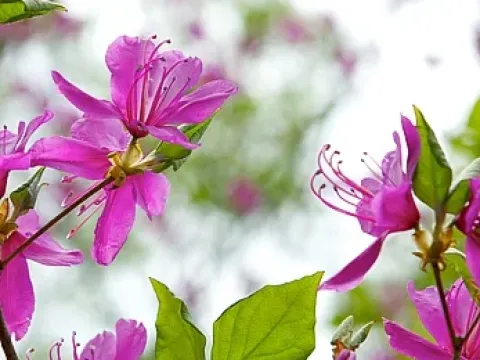
Rhododendron wadanum
Rhododendron wadanum
Rhododendron wadanum is a deciduous ornamental shrub belonging to the Ericaceae family. It is native to Japan, where it typically inhabits mountain forest regions, showing a strong preference for cool and humid ecological niches.
What the section contains
Rhododendron wadanum
When selecting a site for cultivation, it is essential to provide partial shade or dappled sunlight. Direct midday sun can damage the foliage and cause flower buds to dry out, so placing the plant under the canopy of larger trees is often an ideal solution.
The crop requires highly acidic, well-draining, and humus-rich soil. To achieve the necessary pH levels between 4.5 and 5.5, growers often incorporate peat moss and pine bark into the planting site to mimic the natural mountainous environment of the species.
Agronomic practices focus heavily on irrigation. The plant requires consistent moisture, but it is extremely sensitive to waterlogging. Therefore, a robust drainage layer is a mandatory component during the initial planting phase to prevent root rot.
Economically, this species is highly valued in the nursery industry for its aesthetic appeal. It is a prized specimen for rock gardens, woodland landscapes, and Japanese-style gardens, renowned for its vivid spring display and graceful growth habit.
The most common disease threats involve fungal pathogens, particularly Phytophthora, which can cause root and crown rot. These issues are exacerbated by poor air circulation and excessive soil moisture, necessitating careful water management and chemical intervention if symptoms appear.
Pest problems are frequently caused by rhododendron bugs and spider mites. These pests pierce the leaves to feed on sap, resulting in chlorosis, stippling, and eventual leaf drop, which significantly impacts the ornamental quality of the shrub.
Integrated pest management (IPM) is recommended to control populations of harmful insects. This involves monitoring, the use of targeted acaricides or insecticides, and maintaining plant vigor through appropriate fertilization to help the shrub withstand minor infestations.
Winter hardiness is a key consideration for growers in temperate regions. Young specimens require winter protection, which typically includes applying a thick layer of organic mulch around the base to insulate the roots against freezing temperatures.
Routine maintenance, such as post-bloom sanitary pruning, is vital to ensure long-term health. Removing dead or diseased wood improves air circulation through the canopy, reducing the microclimate conditions that favor the spread of fungal infections.