
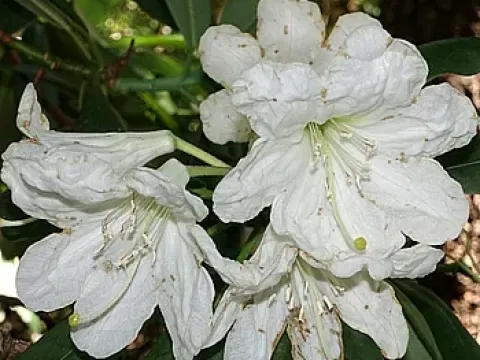
Rhododendron vernicosum
Rhododendron vernicosum
Rhododendron vernicosum is a distinguished member of the Ericaceae family, known for its elegant, fragrant flowers and robust evergreen foliage.
What the section contains
Rhododendron vernicosum
Originating from the mountains of Western China, this plant thrives in cool, moist, and high-altitude environments, reflecting its native montane ecological niche.
The species requires acidic, well-draining soil rich in organic matter to mimic its natural forest habitat and ensure healthy root system development.
Climate adaptation is essential; this rhododendron prefers partial shade and protection from harsh, dry winds that can severely dehydrate the leaves.
Proper agricultural management includes maintaining consistent soil moisture levels throughout the growing season, avoiding both drought and waterlogging at all costs.
Phytophthora root rot is a major threat to this species, usually caused by poor soil drainage and stagnant water around the root zone.
Pest issues frequently involve the rhododendron bug, which causes stippling on the leaves, and lace bugs that can significantly diminish plant vigor.
Chlorosis, manifesting as yellowing leaves while veins remain green, is a common indicator of high soil pH, which inhibits the uptake of vital micronutrients.
Powdery mildew may occur in poorly ventilated areas, requiring pruning for better airflow and the application of fungicides when symptoms appear.
Monitoring for pests and pathogens on a weekly basis is highly recommended, especially during the warm and humid months when pest activity peaks.