
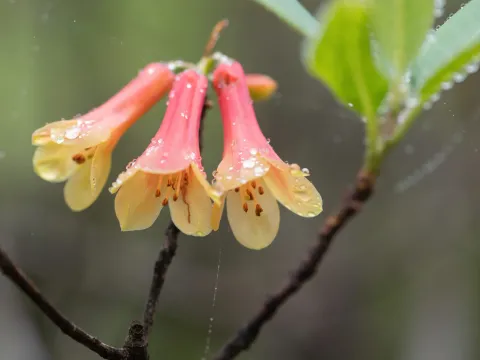
Rhododendron virgatum
Rhododendron virgatum
Rhododendron virgatum belongs to the Ericaceae family and is recognized for its slender growth habit and delicate flowers. It is native to the high-altitude regions of the Himalayas and Southern China.
What the section contains
Rhododendron virgatum
The culture thrives in cool, moist climates with consistent humidity levels. It requires a location protected from harsh winds and intense afternoon sun, which can dehydrate the foliage.
Successful cultivation depends heavily on soil composition. The plant demands well-draining, highly acidic soil rich in organic matter. Sandy loam mixed with pine needles is often considered ideal.
Watering requirements are strict; the root zone must remain moist but never waterlogged. Using rainwater for irrigation is encouraged to prevent salt buildup and maintain the necessary acidic environment.
Standard horticultural practices include yearly mulching and light pruning after the flowering period to encourage branching and improve the overall shape of the ornamental shrub.
Common issues include root rot and Phytophthora, often induced by heavy, poorly drained soils or excessive irrigation. Improving soil porosity is the primary defense against these pathogens.
Foliar diseases such as leaf spots can occur in environments with poor air circulation. Removing affected leaves and applying suitable fungicides can help manage these conditions effectively.
Pests like rhododendron bugs and spider mites are frequent threats. They typically infest the undersides of leaves, causing discoloration and reduced plant vigor over the growing season.
Integrated pest management strategies should focus on environmental monitoring and using biological controls where possible to minimize chemical usage in the garden.
Maintaining the plant's health through optimal nutrition and avoiding stressors is critical. A healthy, robust shrub is significantly more resistant to both environmental and biological challenges.