
Richea
Richea
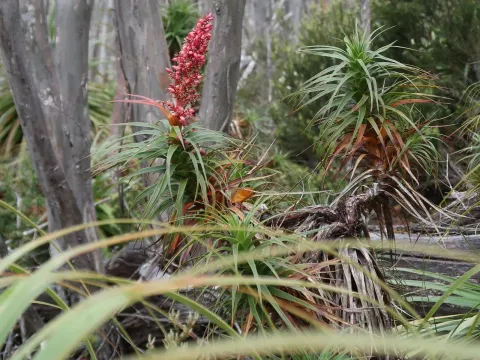
Richea is a genus of evergreen shrubs and small trees belonging to the Ericaceae family. Native primarily to the mountainous regions of Tasmania and southeastern Australia, these plants are well-adapted to high-altitude environments characterized by cool temperatures and significant rainfall.
What the section contains

Richea
Botanically, Richea plants are distinguished by their stiff, often leathery leaves that frequently clasp the stem. Their inflorescences are highly specialized, often featuring complex structures that protect the flowers, which makes them a subject of great interest in botanical research and rare plant collections.
Successful cultivation requires specific soil conditions, specifically acidic, well-draining media. Because these plants are native to rocky slopes, they cannot tolerate waterlogged soils, which quickly lead to root rot and failure to thrive in garden settings.
Climatic preferences include cool, humid conditions with protection from intense direct sun and excessive summer heat. They are best suited for temperate maritime climates where the temperature remains stable, as the species is sensitive to extreme fluctuations and dry air common in inland regions.
The agricultural use of Richea is strictly limited to ornamental horticulture. Due to their specific needs and slow growth, they are rarely found in general landscaping, instead being reserved for specialized alpine gardens, botanical conservatories, and professional collections of unique flora.
The most significant threat to Richea is root pathogen infection, particularly by Phytophthora species. These fungi thrive in damp conditions and are often fatal to the plant, making impeccable drainage the most critical factor in preventative care for this crop.
Pests such as scale insects or mealybugs can pose a risk when grown in greenhouses or glasshouses. Maintaining good air circulation and monitoring the plant’s health regularly are essential steps for preventing infestations that could damage the foliage or stunt the plant’s development.