
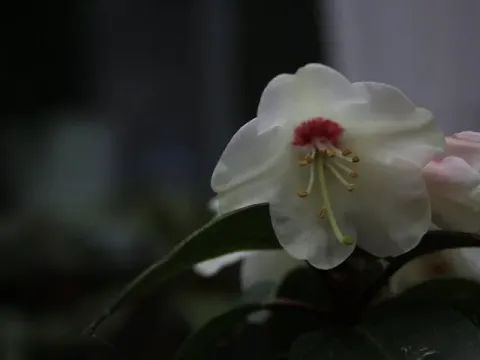
Rhododendron myiagrum
Rhododendron myiagrum
Rhododendron myiagrum is an evergreen shrub belonging to the Ericaceae family. Known for its distinct botanical features, this species is highly regarded in horticultural circles for its aesthetic appeal and structural elegance in garden designs.
What the section contains
Rhododendron myiagrum
Originating from the mountainous regions of Southeast Asia, this plant thrives in cool, humid environments. In cultivation, it requires semi-shaded locations to protect its foliage from intense sunlight, which can otherwise cause severe leaf scorch.
The agronomic success of this species is heavily dependent on soil quality. It demands a well-draining, acidic substrate rich in organic matter. Gardeners should ensure the soil pH remains within the range of 4.5 to 5.5 to prevent nutrient deficiencies.
Water management is critical for the healthy development of Rhododendron myiagrum. The roots are sensitive to both waterlogging and drought; thus, a consistent level of soil moisture must be maintained throughout the growing season.
The primary economic and landscape use of this plant is as a feature specimen in specialized Ericaceous gardens. Its compact growth habit and floral display make it an excellent choice for rock gardens and sophisticated container arrangements.
The most common pathological threats to this species involve fungal infections, specifically Phytophthora root rot. This condition is triggered by poor soil drainage and stagnant water, leading to rapid plant decline if not caught early.
Leaf spot diseases are also prevalent, particularly in humid or stagnant air environments. Preventive measures include ensuring adequate spacing between plants and performing careful pruning to promote internal air circulation within the shrub canopy.
Pest infestations, particularly by spider mites and the rhododendron bug, can significantly damage the foliage. These insects feed on plant sap, causing yellowing and premature leaf drop, which diminishes the overall ornamental value of the specimen.
Integrated pest management strategies are advised, emphasizing the use of horticultural oils for mite control and specific systemic insecticides for persistent sucking insect issues, applied during the plant's active growing period.
Nutritional health plays a significant role in disease resistance. Iron chlorosis is a common physiological issue in this species, often caused by an unsuitable soil pH, which necessitates regular monitoring and corrective treatments to maintain plant vigor.