
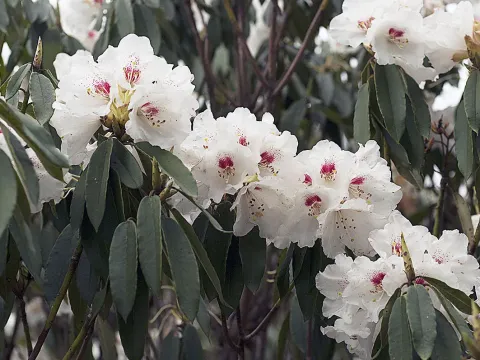
Rhododendron morii
Rhododendron morii
Rhododendron morii is a distinguished evergreen shrub belonging to the Ericaceae family. Native to the mountainous regions of Taiwan, this species has evolved to thrive in high-altitude forest ecosystems characterized by consistent humidity.
What the section contains
Rhododendron morii
The plant is prized for its aesthetic appeal, featuring dark green, leathery leaves with a distinct underside texture. It grows slowly, making it an excellent candidate for collectors and ornamental garden landscapes that require low-maintenance specimens.
Successful cultivation requires soil that is strictly acidic, well-draining, and rich in organic matter. A mixture of peat, pine bark, and sand is typically recommended to mimic the natural forest floor conditions found in its native habitat.
In terms of placement, Rhododendron morii prefers semi-shaded environments. Protection from the intense afternoon sun is crucial to prevent leaf scorch and ensure the longevity of the foliage, especially during hotter summer months.
Maintaining adequate soil moisture without causing waterlogging is the key challenge in managing this crop. Regular mulching with acidic organic materials provides the necessary moisture retention and protects the shallow root system from extreme temperature fluctuations.
Phytophthora root rot is the most significant threat to Rhododendron morii. It occurs primarily in heavy, waterlogged soils and can be fatal to the plant if the drainage is not properly managed during the growing season.
Powdery mildew and various leaf spot fungi may affect the foliage when air circulation is poor or humidity levels remain static for prolonged periods. Increasing space between plants is a primary method for reducing these disease risks.
Rhododendron bugs are common pests that feed on the underside of leaves, leading to chlorosis and reduced photosynthesis. Monitoring the undersides of leaves during the spring is essential for early pest detection and intervention.
Vine weevils can pose a threat to both the root system and the leaves. While adult weevils notch the leaves, their larvae are more destructive, as they consume the root cortex, potentially leading to the sudden collapse of the plant.
Effective management includes maintaining a clean growing area and using targeted pesticides only when necessary. By fostering a healthy environment and selecting high-quality planting stock, growers can significantly reduce susceptibility to these common issues.