
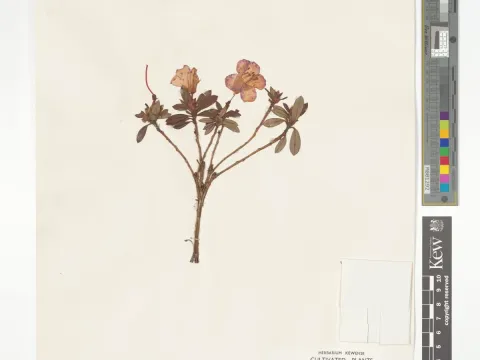
Rhododendron imperator
Rhododendron imperator
Rhododendron imperator is a distinctive species belonging to the Ericaceae family. It is a compact, prostrate, evergreen shrub known for its dense habit and beautiful flowers, making it a highly desirable plant for rock gardens and small landscaping projects.
What the section contains
Rhododendron imperator
Native to the high-altitude regions of Myanmar, this species thrives in cool, moist, and high-humidity environments. Cultivation in temperate climates requires selecting a site that provides shelter from the hot afternoon sun and drying winds.
The soil requirements for this species are specific: it mandates an acidic pH, usually between 4.5 and 5.5, along with excellent drainage. Heavy soils should be amended with organic matter like peat moss or decomposed pine bark to improve structure.
Adequate water management is crucial for the health of Rhododendron imperator. The root system is relatively shallow and sensitive to drought, meaning the soil should be kept consistently moist but never waterlogged to avoid root rot.
Mulching is a standard practice in the cultivation of this rhododendron. By applying a thick layer of acidic organic mulch, gardeners can protect the roots from extreme temperature fluctuations and maintain the necessary soil acidity levels.
The primary health threats for this shrub include root rot and leaf spot diseases, which are often exacerbated by poor drainage and excessive atmospheric humidity in stagnant air conditions.
Pests such as spider mites, lace bugs, and aphids are common challenges. These insects can cause significant damage to the foliage, resulting in stunted growth and a decline in the plant's overall aesthetic appearance.
Disease control involves the application of appropriate fungicides when the first symptoms appear. Ensuring that the plant has enough space for air movement is a key cultural practice to mitigate the risk of fungal infections.
For pest management, systemic insecticides are often the most effective solution for lace bugs and other sap-sucking insects. Regular monitoring during the active growing season helps in detecting infestations before they spread.
Maintaining strong plant vigor through balanced fertilization with specialized ericaceous plant food helps the shrub resist attacks from pests and diseases, ensuring a long and healthy lifespan in the garden.