
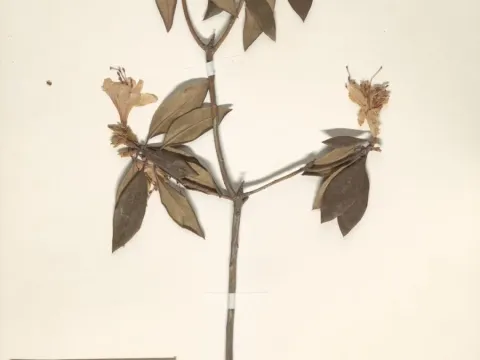
Rhododendron hormophorum
Rhododendron hormophorum
Rhododendron hormophorum is an ornamental evergreen shrub belonging to the Ericaceae family. Known for its distinct botanical characteristics, this species is highly valued in horticulture for its elegant foliage and seasonal blooming displays.
What the section contains
Rhododendron hormophorum
The plant originates from the high-altitude regions of Yunnan, China. It is naturally adapted to cool, moist environments, which necessitates specific microclimatic conditions when cultivating the species in garden or nursery settings.
Successful cultivation relies heavily on soil chemistry, specifically the maintenance of a highly acidic environment with a pH between 4.5 and 5.5. The ideal substrate should be light, well-draining, and rich in organic matter such as peat moss or coniferous forest litter.
Climatic requirements involve moderate temperatures and high atmospheric humidity. The plant thrives in sheltered, semi-shaded locations that provide protection from direct midday sunlight, which can otherwise cause severe leaf scorch and desiccation of the plant tissues.
Agricultural maintenance involves consistent mulching of the root zone to simulate forest floor conditions. This practice ensures soil moisture retention and root thermal insulation, which are critical factors for the longevity and health of Rhododendron specimens.
Common botanical threats include fungal pathogens such as Phytophthora root rot, which typically occurs due to poor soil drainage or excessive water accumulation. Ensuring proper aeration and drainage of the growing media is the primary method of preventing these infections.
Pests like rhododendron bugs and spider mites can significantly impact the plant's aesthetic value. Management strategies involve regular monitoring for early signs of infestation and applying targeted insecticides or acaricides during the active growing season as needed.