
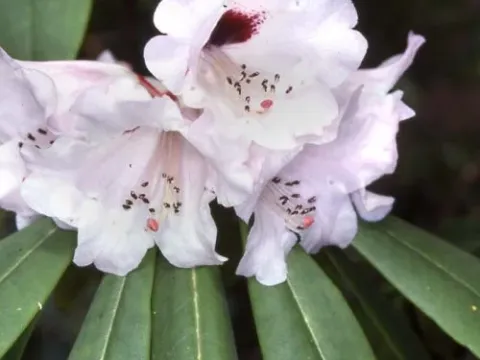
Hirtipes rhododendron
Rhododendron hirtipes
Rhododendron hirtipes is an elegant evergreen shrub belonging to the Ericaceae family. Native to the high-altitude regions of southeastern Tibet and parts of China, it thrives in cool, montane environments with significant atmospheric humidity.
What the section contains
Hirtipes rhododendron
The plant requires a sheltered location with partial shade to avoid scorching by intense sunlight. It is essential to protect this species from drying winds, which can easily damage its foliage during both the winter and summer months.
Soil quality is a critical factor for successful growth. The rhododendron demands acidic, well-draining, humus-rich soil that mimics its natural forest floor habitat. Proper drainage is paramount to prevent root rot, which is the primary cause of plant failure.
Cultural practices include generous mulching with organic materials such as pine needles or peat. This practice retains soil moisture, regulates temperature, and helps maintain the required acidity levels for optimal nutrient uptake.
In ornamental horticulture, this species is highly prized for its unique appearance, including its characteristic hairy stems and striking blossoms. It is best used as a specimen plant in woodland-style gardens or massed in dedicated shrub borders.
The most common health issues for Rhododendron hirtipes involve fungal pathogens, particularly Phytophthora, which typically manifests under conditions of poor soil aeration and waterlogging.
Pest pressures are primarily caused by sucking insects such as lace bugs and spider mites, which can deplete the plant's resources and lead to leaf discoloration and necrosis.
Managing these threats requires a proactive approach, starting with the selection of a planting site that ensures excellent drainage and adequate spacing to promote airflow.
Fungicide treatments may be necessary if early signs of infection appear, while insect infestations should be managed with targeted horticultural oils or systemic insecticides.
Maintaining plant vigor through proper fertilization with acid-loving plant food and regular irrigation during dry spells significantly increases the plant's resistance to typical diseases.