
Hippophaeoides rhododendron
Rhododendron hippophaeoides
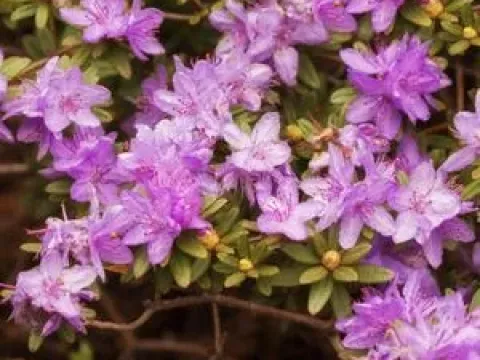
The Hippophaeoides rhododendron Rhododendron hippophaeoides is an evergreen shrub species belonging to the Ericaceae family. It originates from the high-altitude regions of Yunnan province in China, thriving in boggy meadows and stony slopes at elevations ranging from 3,000 to 4,500 meters.
What the section contains
Hippophaeoides rhododendron
This species is characterized by its compact, slow-growing habit, typically reaching a height of about 1 meter. The small leaves are oval-shaped and prominently covered with characteristic scales on the underside, which provides the species with its unique appearance and specific botanical name.
Horticultural requirements emphasize the need for acidic soil with a pH level between 4.5 and 5.5. The planting medium must be highly permeable, utilizing organic components like peat moss or coniferous forest litter to ensure optimal root aeration and moisture retention without stagnation.
Environmental conditions should favor semi-shaded locations protected from harsh winds and intense direct sunlight. While the plant shows moderate cold hardiness, it benefits significantly from a thick layer of mulch around the base to protect the shallow root system from extreme fluctuations in temperature.
In ornamental landscaping, this rhododendron is highly valued for its mass flowering in late spring. The blooms, appearing in clusters at the tips of the branches, display vibrant shades of lavender, blue-violet, or pink, making it an excellent choice for rock gardens and woodland-themed plantings.
Fungal pathogens such as Phytophthora root rot and Botrytis blight represent the primary threats to plant health. These diseases typically emerge in environments with poor drainage, leading to systemic decline and tissue necrosis if not identified and treated early with systemic fungicides.
Insect pests such as rhododendron lace bugs and spider mites are common, causing damage to foliage by feeding on cell sap, which leads to chlorosis and stunted growth. Integrated pest management, including regular inspection and dormant season spraying, is recommended to maintain the decorative value of the shrubs.