
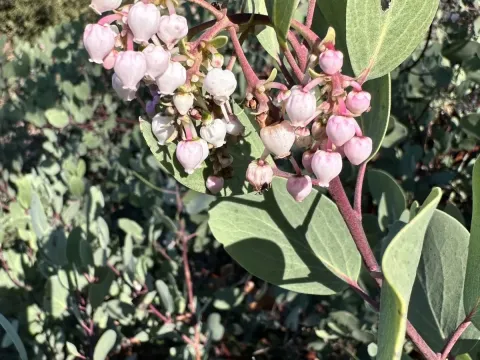
Sticky manzanita
Arctostaphylos viscida
Sticky manzanita, scientifically known as Arctostaphylos viscida, belongs to the Ericaceae family. It is a slow-growing shrub that typically reproduces via seeds in its native Mediterranean-like habitats.
What the section contains
Sticky manzanita
Seeds possess a deep dormant state and require long periods of stratification to germinate. Successful propagation usually involves sowing in late autumn to expose the seeds to cold, moist winter conditions.
Mechanical or chemical scarification is often required for spring sowing to improve germination rates. Without proper treatment, seeds can remain dormant in the soil for several years before sprouting.
Seedlings develop very slowly, investing significant energy into root system establishment rather than above-ground biomass. Providing a weed-free environment is essential for the survival of young plants.
Planting density should be carefully planned as the shrubs tend to spread significantly with age. Spacing should allow for adequate airflow between mature plants to prevent humidity-related issues.
This species thrives in well-drained, rocky, or sandy soils with an acidic pH. It is intolerant of heavy clay soils that retain moisture for extended periods, as this leads to root rot.
The plant is highly drought-tolerant, featuring leathery leaves coated with a resinous, waxy layer. It performs best in full sun, which promotes healthy growth and density of the foliage.
It prefers climates with dry, hot summers and cool, wet winters. Protection from late frosts is necessary, especially during the initial years of development in non-native regions.
Fertility requirements are quite low, as the plant is adapted to nutrient-poor soils. Excessive nitrogen fertilization can negatively affect the plant's natural hardiness and overall structure.
Proper soil aeration is the most critical factor for long-term survival in agricultural settings. Raised beds or sloping land can significantly improve drainage for this particular species.
The agricultural value of Arctostaphylos viscida is centered on its berries and potential pharmaceutical extracts. Commercial yield is generally inconsistent and highly dependent on environmental variables.
Full production typically begins several years after establishment, as the shrub focuses on woody growth. Selective breeding for higher yield varieties is currently limited, keeping commercial prospects experimental.
The plant can also provide biomass for specific essential oils, although large-scale harvesting is rarely practiced. Sustainable harvesting practices are vital to ensure the long-term viability of the population.
Pollination efficiency is a significant factor in berry yield. Maintaining local insect populations is beneficial for fruit set, especially during the early blooming period in late winter or spring.
Yield stability is currently a major hurdle for growers due to the lack of domesticated cultivars. Improvements in crop management are required to reach predictable production levels.
Fungal diseases, including leaf spot and various root pathogens, are the primary threats when humidity levels are too high. Good site selection and spacing remain the best prevention strategies.
Common pests like aphids and scale insects may attack young shoots. While the plant has some natural resistance, severe infestations can significantly weaken the overall health of the shrub.
Chlorosis is often observed in alkaline soils where essential nutrients become inaccessible to the roots. Maintaining the correct pH is more effective than applying chemical fertilizers to correct deficiencies.
Rodents can pose a threat during winter by feeding on bark and roots. Protective guards around the base of the stem are recommended for young plants in vulnerable areas.
Regular sanitation, such as removing diseased or dead branches, is essential to limit the spread of infections. Avoiding heavy overhead irrigation helps keep the foliage dry and healthy.
Berries are typically hand-harvested when they reach their full maturity and dark red color. Because of the shrub's structure, mechanical harvesting is impractical and often damaging.
The optimal time for harvest is during the early morning to ensure the fruits are cool and dry. Immediate post-harvest processing is crucial to prevent the fruits from fermenting or spoiling.
Care must be taken to avoid damaging the resinous bark during harvest. Using specialized small tools can improve efficiency without putting undue stress on the plant branches.
The fragility of the berries requires using shallow containers for collection to prevent crushing. Proper airflow in the storage area is mandatory for maintaining quality after the harvest.
Post-harvest storage should be in a cool, dark, and well-ventilated location. Rapid moisture removal from the fruit is essential if the berries are being prepared for medicinal extraction.