
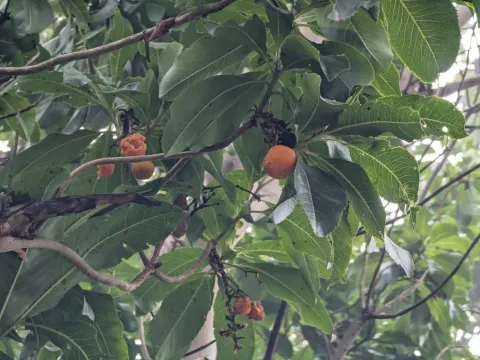
Strawberry tree
Arbutus L.
Propagation of the strawberry tree (Arbutus) is usually achieved through seeds or stem cuttings. Sowing is typically performed in late winter or early spring using well-draining soil mixes.
What the section contains


Strawberry tree
Seeds require a mandatory stratification process for approximately two months at low temperatures to ensure successful germination and healthy seedling growth.
Cuttings are best taken in summer, typically during June or July, using semi-hardwood shoots treated with rooting hormones to enhance root development success rates.
Young seedlings grow quite slowly during the first few years, necessitating consistent moisture and protection from harsh direct sun until they become well-established.
When planting young trees in the garden, choose a site sheltered from cold winds, as strawberry trees can be sensitive to rapid temperature drops during their early development.
The strawberry tree belongs to the Ericaceae family and is an evergreen plant naturally occurring in the Mediterranean region, North America, and parts of Ireland.
This species thrives in sunny locations protected from drafts and prefers moderately moist, well-draining soils with a neutral or slightly acidic pH level.
The ideal climate for Arbutus is subtropical, characterized by mild winters, as severe frost can cause significant damage to the foliage and younger branches.
Good drainage is essential for this plant, as its root system is highly susceptible to waterlogging, which often leads to root rot and eventual plant failure.
Beyond its fruit, the tree is prized for its ornamental value, featuring unique exfoliating bark that peels away to reveal smooth, reddish trunks each year.
Yield depends on the specific species and growing conditions; fruit production typically begins after 5–7 years for trees grown from seed, whereas cuttings may yield sooner.
The fruits are round, berry-like drupes that transition from yellow to a deep, vibrant red upon ripening, becoming soft and sweet with a unique flavor profile.
The harvest has various culinary uses, including fresh consumption, as well as being processed into jams, preserves, marmalades, and local specialty spirits or liqueurs.
While rarely grown for large-scale industrial farming, the strawberry tree is a popular choice for private gardens and Mediterranean-style landscapes.
It is recommended to harvest the berries only when fully ripe to ensure the best flavor, as immature fruits tend to be astringent and less palatable.
Major threats to Arbutus health include fungal diseases like leaf spot and gray mold, which are often exacerbated by poor air circulation and high humidity levels.
Pests such as aphids, scale insects, and mealybugs can infest the plant, feeding on succulent young shoots and leaves, which significantly impacts tree vigor.
Proper maintenance, including regular pruning to remove dead wood and thinning the canopy, is vital to improve airflow and reduce the incidence of fungal pathogens.
Implementing a preventive spray schedule with appropriate fungicides and insecticides in early spring can help keep these trees healthy and free from common pests.
Providing optimal growing conditions, including balanced fertilization and correct watering, significantly strengthens the plant's natural defense mechanisms against threats.
The harvest must be carried out carefully by hand, as ripe fruits are extremely delicate and prone to bruising or mechanical damage during the picking process.
Ripening occurs during late autumn or early winter, providing a valuable source of fresh fruit at a time when other seasonal crops have already finished.
Care must be taken to remove the fruit from the stem without tearing the skin, as any damage to the fruit surface will lead to rapid spoilage during transport.
Freshly harvested fruit should be consumed or processed immediately, as strawberry tree berries do not have a long shelf life and will degrade quickly at room temperature.
Store harvested berries in a cool, well-ventilated area in single layers to prevent moisture buildup and decay before they can be used for culinary purposes.