
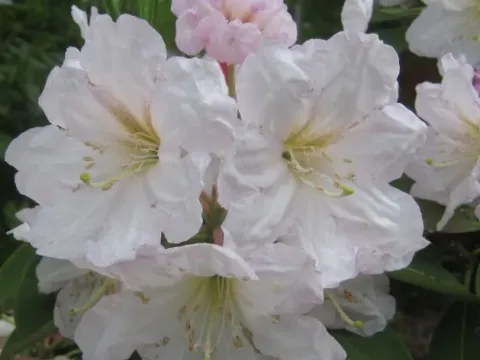
Glaucopeplum rhododendron
Rhododendron glaucopeplum
The Glaucopeplum rhododendron (Rhododendron glaucopeplum) is an evergreen ornamental shrub belonging to the Ericaceae family. It is native to the high-altitude regions of Southwest China, where it thrives in moist, rocky, and cool alpine environments.
What the section contains
Glaucopeplum rhododendron
Botanically, this species is defined by its distinct leaves which feature a thick, glaucous coating on the underside, providing a unique texture and appearance. It produces clusters of showy flowers that are highly valued in horticultural practices for their vibrant colors and architectural structure.
Successful cultivation requires soil with a low pH level, ideally between 4.5 and 5.5. The growing medium must be porous and enriched with organic matter, such as leaf mold or peat, to ensure proper aeration and drainage, preventing root rot common in compacted soils.
The plant requires a specific microclimate: it prefers partial shade and is highly susceptible to direct, scorching sun. Wind protection is essential to prevent leaf desiccation, especially in exposed garden areas where winter or dry summer winds can damage the foliage.
Care practices should focus on maintaining consistent soil moisture and acidity. Mulching with pine bark or pine needles is a standard horticultural technique used to suppress weeds, retain moisture, and naturally lower the soil pH over time for healthier root development.
The primary threats to this species include soil-borne fungal pathogens like Phytophthora, which thrive in waterlogged conditions. Proper irrigation management is the most effective preventive measure against such infections.
Insect pests, including rhododendron lace bugs and spider mites, are frequently observed. These pests typically infest the undersides of the leaves, requiring integrated pest management strategies, such as biological control or targeted horticultural oils, to prevent significant damage.