
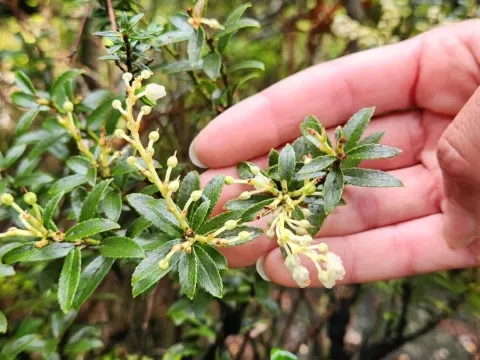
Gaultheria
Gaultheria Kalm ex L.
Propagation of Gaultheria is typically achieved through seeds or vegetative methods like layering and cuttings. Seeds should be sown in a sterile, acidic substrate during early spring after undergoing a cold stratification period to ensure successful germination.
What the section contains


Gaultheria
When sowing, maintain consistent temperatures between 15-20 degrees Celsius. Seedlings are delicate and require high humidity, which can be maintained by covering the trays with plastic or glass until they reach a suitable size for transplanting.
Vegetative propagation using semi-hardwood cuttings is preferred for maintaining plant vigor. Cuttings are harvested in mid-summer and placed in a rooting medium consisting of peat moss and perlite to promote root development.
Once established, young plants should be gradually acclimated to outdoor conditions before being moved to their final planting site. The spacing between plants should be sufficient to ensure adequate air circulation.
Careful handling of the root ball during transplanting is crucial, as Gaultheria has sensitive, fine root systems that can easily be damaged by rough manipulation.
Gaultheria, a member of the Ericaceae family, thrives in acidic, well-draining soils with high organic content. The plant is calcifuge and will suffer severe chlorosis and decline if planted in alkaline or chalky soil.
The ideal environment for this shrub is a partially shaded area where it can receive filtered sunlight. Full sun exposure should be avoided as it can cause leaf burn and excessive evaporation from the soil.
Maintenance involves regular mulching with pine needles or acidic peat to suppress weed growth, maintain the acidic pH level, and keep the roots cool during hot summer months.
Watering must be consistent, using soft or rainwater, as chlorine and minerals in hard tap water can be detrimental to the health of the plant over time. Irrigation should be directed at the base of the plant.
While hardy, the plant benefits from protection against harsh winds during the winter, which can dehydrate the evergreen leaves and cause branch dieback in exposed locations.
Fungal pathogens such as leaf spot and powdery mildew are common issues, especially in environments with poor air circulation or high humidity levels. Pruning to improve airflow is a primary preventative measure.
Root rot caused by Phytophthora species is a serious threat if the soil remains waterlogged for prolonged periods. Ensuring the site has excellent drainage is the best defense against these diseases.
Pests like scale insects and spider mites can attack the foliage, leading to yellowing and stunted growth. Infestations are often triggered by drought stress, making proper hydration essential for pest prevention.
Weevils can cause physical damage to the leaf margins, which is primarily a cosmetic issue but can weaken the plant if left uncontrolled. Horticultural oils or systemic insecticides may be used if the population becomes large.
- Regular monitoring of foliage for signs of discoloration or pest activity.
- Sanitation practices, such as removing fallen leaves and debris from the base of the plants to reduce fungal spore load.