
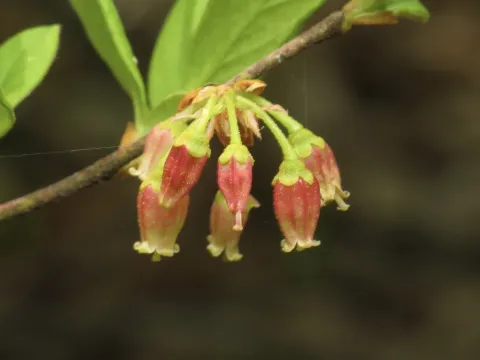
Gaylussacia
Gaylussacia
Gaylussacia is a genus of shrubs in the Ericaceae family, widely known as huckleberries. Native primarily to the Americas, these plants thrive in diverse environments, ranging from dense forests to exposed mountainous areas.
What the section contains


Gaylussacia
Botanically, these shrubs are characterized by their resinous dots, known as glands, found on the underside of their leaves. These glands distinguish them from other similar genera, such as Vaccinium, and give the foliage a unique texture.
To cultivate Gaylussacia successfully, acidic, well-draining soil is essential. A pH level between 4.5 and 5.5 is ideal for the development of their fibrous root systems, which are sensitive to soil compaction and waterlogging.
Climate adaptability varies depending on the specific species; however, most varieties prefer temperate regions with moderate rainfall. They perform best in locations that offer partial shade during the peak of summer heat.
Cultural maintenance involves the use of organic mulch, such as pine needles or peat moss, to preserve soil acidity and moisture. Regular but gentle pruning helps to stimulate new growth and improve future yields.
Root rot is the most significant threat to Gaylussacia, often triggered by poor drainage or overwatering. Maintaining a balance in soil moisture is critical to the longevity of the shrubs.
Fungal diseases like powdery mildew can impact the foliage if air circulation is restricted. Pruning practices should prioritize keeping the center of the plant open to allow for better ventilation.
Pests such as aphids and leaf rollers may feed on fresh foliage during the spring. Monitoring and the use of integrated pest management practices are recommended to protect the vigor of the plant.
Birds are a major challenge during the harvest period, as they are highly attracted to the sweet, ripe berries. Installing protective netting is the most effective way to secure a harvest.
In certain regions, soil-borne nematodes can pose a threat, so it is important to ensure the planting site is clear of such pests and to use certified, disease-free nursery stock for propagation.