
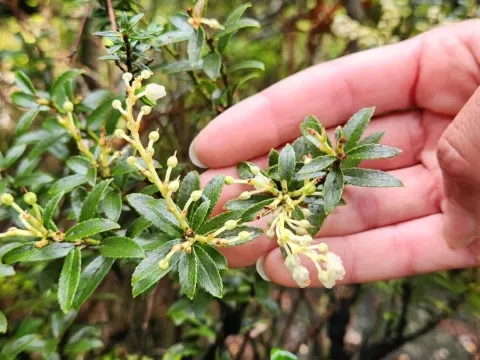
Gaulnettya
Gaulnettya W.J. Marchant
Gaulnettya is an intergeneric hybrid resulting from the crossing of plants within the Gaultheria and Pernettya genera. Belonging to the Ericaceae family, this evergreen shrub is highly valued in horticulture for its dense growth habit and ornamental value, characterized by its long-lasting and colorful fruit display.
What the section contains
Gaulnettya
Successful cultivation of Gaulnettya relies heavily on soil conditions. The plants require acidic, humus-rich soil with a pH level typically between 4.5 and 5.5. A well-draining medium is essential, as the roots are highly sensitive to waterlogging, which often leads to rapid deterioration of the plant's health.
The culture thrives in partial shade or sheltered environments. Exposure to harsh, direct sunlight can burn the foliage, while strong, desiccating winds can lead to winter injury. Providing a spot that mimics the cool, moist conditions of its natural forest-floor habitat is crucial for long-term survival.
Maintenance practices include regular mulching with organic material such as pine needles or bark chips. This practice is not only beneficial for moisture retention but also helps to maintain the necessary soil acidity, which is vital for the plant to absorb essential nutrients efficiently.
In landscaping, Gaulnettya is primarily used as an ornamental choice for heather gardens, rockeries, and patio containers. Its unique ability to bear vibrant berries throughout the autumn and into the winter season makes it a highly sought-after plant for extending seasonal interest in gardens.
The most significant threat to Gaulnettya is root rot, typically caused by species of Phytophthora. This disease often strikes when the soil is kept consistently wet or poorly drained, necessitating careful attention to irrigation frequency and soil structure.
Pests such as spider mites and scale insects are common in greenhouse settings or areas with low humidity. These pests feed on the sap of the plant, potentially causing foliage yellowing and reduced vigor, requiring prompt intervention with integrated pest management strategies.
Nutrient deficiencies, particularly iron chlorosis, may occur if the soil pH rises above the optimal range. Regular monitoring of the growing medium and the application of chelated micronutrients can effectively resolve these physiological issues before they cause lasting damage to the plant.
Fungal leaf spot diseases may appear during periods of high humidity and poor air circulation. To manage these risks, pruning should focus on thinning out overcrowded branches to ensure that the interior of the shrub remains well-ventilated and dry after rain or overhead watering.
Winter protection is necessary in colder climates to prevent desiccation. Applying a layer of mulch before the ground freezes and using protective covers during extreme cold spells will help the shrub survive the winter months without significant damage to its evergreen foliage.