
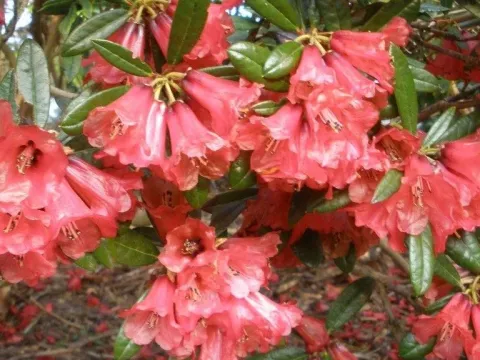
Rhododendron floccigerum
Rhododendron floccigerum
Rhododendron floccigerum is a perennial evergreen shrub belonging to the Ericaceae family. It is native to the high-altitude regions of Southeastern Tibet, where it thrives in cool, moist, and mountainous environments at elevations reaching up to 4000 meters.
What the section contains
Rhododendron floccigerum
The plant is distinguished by its unique leaf morphology, featuring a dense, floccose indumentum on the underside of the leaves. This natural adaptation allows the shrub to withstand the extreme environmental stressors of its high-altitude habitat.
Agricultural success with this species depends heavily on soil composition. It strictly requires acidic, well-draining soil with a pH range of 4.5 to 5.5. Inadequate drainage often leads to fatal root rot, which is the primary challenge in standard cultivation settings.
In terms of site selection, the plant prefers dappled shade or protection from intense, direct sunlight. Consistent humidity is vital; therefore, mulching with pine needles or acidic peat is highly recommended to maintain moisture and protect the shallow root system.
In ornamental horticulture, Rhododendron floccigerum is prized for its hardy nature and attractive foliage. It is best suited for specialized rock gardens or woodland-style borders where its specific ecological requirements can be meticulously managed.
Phytophthora root rot remains the most significant threat to this species, especially in poorly drained soils. Gardeners must ensure that the planting site has excellent water permeability to mitigate the risk of pathogen proliferation in the root zone.
Insect pests such as rhododendron lace bugs are common, often resulting in yellowed or mottled foliage. Additionally, spider mites can become an issue during periods of dry weather, necessitating periodic foliage misting or targeted acaricide application.