
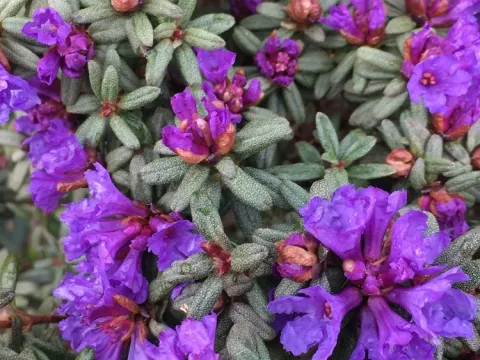
Edgar's rhododendron
Rhododendron edgarianum
Edgar's rhododendron (Rhododendron edgarianum) is a refined evergreen shrub belonging to the Ericaceae family. Native to the high-altitude mountainous regions of China, this species is highly valued for its dense growth habit and delicate, vibrant blossoms that adorn the plant in spring.
What the section contains
Edgar's rhododendron
Botanically, the plant is characterized by leathery, elliptic leaves and a compact shrub structure, making it an excellent choice for rock gardens and woodland landscapes. It typically thrives in temperate, humid environments with cool summers and relatively mild winters.
Cultivation requires specific soil conditions, notably a highly acidic pH level and excellent drainage. The substrate should be rich in decomposed organic matter, such as leaf mold or peat, which mimics the natural forest floor conditions of its native habitat.
Proper agro-technology for this species includes maintaining consistent soil moisture. Since its root system is shallow and fibrous, drying out the soil can lead to permanent damage, while excessive waterlogging can trigger root asphyxiation and decay.
Mulching is a critical cultural practice for Edgar's rhododendron. Applying a thick layer of pine needles or wood chips around the root zone helps regulate soil temperature, suppress weeds, and slowly acidify the substrate over time, supporting healthy development.
The primary threats to this shrub include fungal diseases such as Phytophthora root rot, which is common in poorly drained soils. Symptoms often include wilting of the foliage, discolouration of the stem, and eventual decline of the entire plant structure.
Pests such as rhododendron lace bugs are significant concerns, as they feed on the underside of leaves, causing a stippled appearance and loss of vigour. In addition, spider mites may infest the plant during prolonged dry and hot weather spells.
Management strategies focus on preventative measures, including the selection of well-draining planting sites and ensuring adequate air circulation. Pruning diseased or dead branches is essential to prevent the spread of fungal spores during humid seasons.
Chemical control involving systemic fungicides and specialized insecticides is recommended when cultural practices fail to suppress an outbreak. It is crucial to apply these treatments during the early stages of infestation to protect the plant's aesthetic value.
Ultimately, maintaining a balanced nutritional and moisture regimen enhances the plant's resilience. Well-nourished plants growing in optimal conditions exhibit a significantly higher natural resistance to both pest attacks and environmental pathogens.