
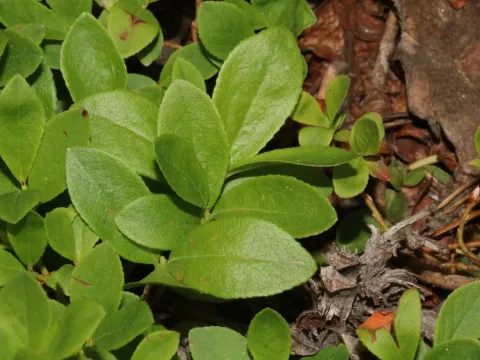
Dwarf bilberry
Vaccinium caespitosum
Dwarf bilberry (Vaccinium caespitosum) is a low-growing shrub belonging to the Ericaceae family. Known for its compact, mat-forming growth habit, this species is native to subarctic and alpine regions of North America, where it thrives in harsh, cold environments.
What the section contains
Dwarf bilberry
Cultivation of this species requires specific soil conditions, primarily an acidic environment with a pH between 4.5 and 5.5. The soil must be rich in organic matter, such as peat or pine needles, to ensure adequate acidity while maintaining good drainage to prevent root rot.
The plant is highly dependent on full sun exposure to maintain its vigorous growth and fruit production. In agricultural settings, it is essential to avoid sites with dense shade, as limited light significantly inhibits the development of both leaves and reproductive buds.
Water management is a key factor in successful production. The soil should remain consistently moist throughout the growing season, but irrigation must be carefully controlled to ensure the root zone is well-oxygenated. Using acidified water is recommended to maintain the soil's pH balance.
Economically, the dwarf bilberry is valued for its hardiness and the intense flavor of its small, antioxidant-rich berries. While its commercial scale is smaller than highbush blueberries, it serves as an excellent genetic resource for developing cold-tolerant berry varieties.
The health of Vaccinium caespitosum can be compromised by various fungal pathogens. Powdery mildew and Botrytis cinerea are the most prevalent threats, particularly in high-humidity climates or areas with poor air circulation around the plants.
Insect pests such as leafrollers, aphids, and various mite species can inflict significant damage on the foliage and fruit set. Regular scouting is essential to identify early infestations before they lead to severe crop losses.
Integrated Pest Management (IPM) strategies are highly recommended. This includes maintaining proper plant density to improve airflow and employing biological control agents where possible to preserve the natural balance of the plantation.
Weed management is equally critical, as dwarf bilberry has a shallow root system that competes poorly with invasive grasses. Organic mulching is the preferred method for suppressing weeds and retaining soil moisture without causing damage to the delicate rootlets.
By monitoring the soil nutrient levels and applying localized treatments for diseases, growers can ensure the longevity and productivity of their Vaccinium caespitosum crops, even in challenging environmental conditions.