
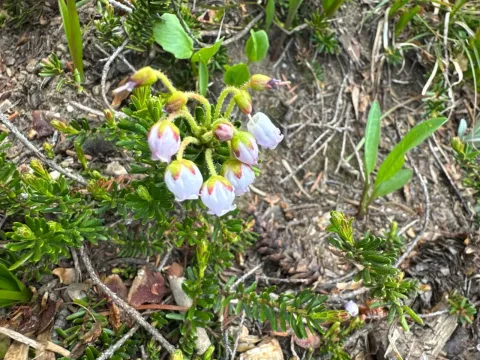
Phyllodoce intermedia
Phyllodoce intermedia
Phyllodoce intermedia is a beautiful evergreen subshrub belonging to the Ericaceae family. Known for its small, bell-shaped flowers and needle-like foliage, it is a hybrid often found in botanical collections and specialized alpine gardens for its ornamental value.
What the section contains
Phyllodoce intermedia
The plant originates from regions that experience cool, moist climates. It thrives in environments where summer temperatures remain moderate, mimicking the conditions of subarctic or high-altitude ecosystems where it naturally establishes its niche.
Cultivation success relies heavily on soil conditions. Phyllodoce intermedia requires well-draining, acidic soil rich in organic matter, such as peat or pine needles. It cannot tolerate alkaline soils, which cause chlorosis and eventual death of the plant due to nutrient deficiency.
Placement in the garden should prioritize partial shade, especially protecting the plant from the intense afternoon sun. Proper air circulation is vital to prevent the buildup of humidity around the dense foliage, which could otherwise encourage the development of pathogens.
Maintenance involves consistent moisture management without waterlogging. Mulching is essential to protect the delicate, shallow root system from extreme temperature fluctuations and to maintain the acidity of the surrounding soil layer throughout the growing season.
The primary threats to this species are fungal root rots caused by waterlogged soil conditions. Ensuring a high-quality, porous substrate is the most effective preventative measure against soil-borne pathogens that target the root collar of the shrub.
Insect pests include mites and scale insects that may attack the foliage, particularly when the plant is stressed by heat or drought. Regular inspection and the application of horticultural oils or appropriate systemic treatments are recommended if an infestation occurs.