
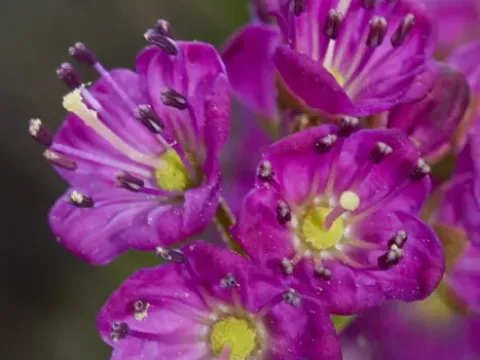
Phyllodoce
Phyllodoce
Phyllodoce is a genus of low-growing evergreen shrubs belonging to the Ericaceae family. These plants are prized for their compact, mat-forming habit and bell-shaped flowers, making them a sophisticated choice for rock gardens, heath gardens, and alpine-style landscaping.
What the section contains
Phyllodoce
Originating from the arctic and subalpine regions of the Northern Hemisphere, these plants are naturally adapted to cold climates and rocky, acidic terrains. Their ability to thrive in challenging high-altitude environments contributes to their hardy nature in garden settings.
Successful cultivation requires a well-drained, acidic soil medium, ideally consisting of a mix of peat moss, coarse sand, and conifer leaf mold. Providing the correct soil pH is vital, as these plants are calcifuges and will suffer from nutrient deficiencies if the soil is too alkaline.
Regarding climatic requirements, Phyllodoce prefers cool, moist conditions with high air humidity. In garden landscapes, they perform best in semi-shaded locations that are protected from the intense heat of the midday sun, which can cause significant stress to their shallow root systems.
Maintenance involves consistent watering with soft, non-alkaline water to maintain soil moisture without creating waterlogged conditions. The application of organic mulch, such as pine bark or needles, is recommended to regulate soil temperature and help maintain the essential acidity for healthy root development.
The primary threats to Phyllodoce are fungal pathogens, particularly those causing root and crown rot, which are often exacerbated by poor drainage or excessive humidity in poorly ventilated areas. Ensuring that the planting site has excellent hydraulic conductivity is the most effective preventative measure.
While generally resistant to severe pest infestations, Phyllodoce can occasionally be affected by mites or scale insects if the plants are placed under extreme environmental stress. Regular inspections during the peak growing season allow for early detection and the targeted use of appropriate horticultural sprays if necessary.