
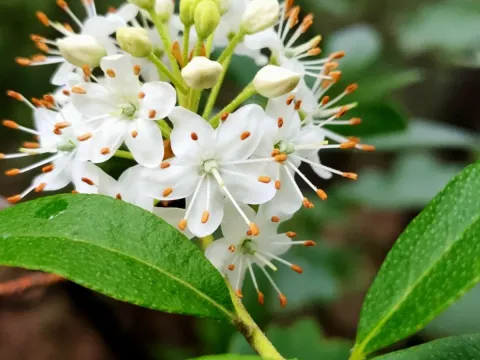
Small-flowered rhododendron
Rhododendron micranthum
The small-flowered rhododendron (Rhododendron micranthum) is an evergreen shrub belonging to the Ericaceae family. Native to the mountainous regions of Northern China, this species has adapted to cool, temperate climates and rocky, well-drained habitats within forested areas.
What the section contains
Small-flowered rhododendron
Botanically, it is recognized by its dense, branching habit and small, leathery leaves covered with tiny, brownish scales on the undersides. These scales provide a unique texture and are a key characteristic used for identifying the species within its genus.
Successful cultivation requires acidic soil with a pH between 4.5 and 5.5. The ideal growing medium is a mixture of peat moss, sand, and decayed conifer needles, which ensures excellent drainage while maintaining the acidity necessary for nutrient uptake.
The plant thrives in partial shade, where it is shielded from the harsh afternoon sun. Providing consistent moisture is essential, especially during the active growing season, though the soil must never be waterlogged, as this rapidly leads to root rot.
In landscaping, it is used for rock gardens, heather beds, and as an ornamental shrub in sheltered positions. Its small, abundant white flowers clustered at the ends of branches offer a distinct, delicate aesthetic compared to larger-flowered varieties.
The main threats to the plant include fungal pathogens such as Phytophthora root rot and powdery mildew. These diseases are often triggered by poor site selection, such as planting in heavy, poorly drained soil or areas with inadequate air circulation.
Insect pests like the rhododendron bug and spider mites can cause significant cosmetic damage by piercing leaf tissues. Early detection is vital for successful control; symptoms include stippling, discoloration, and a loss of overall plant vigor.
Management strategies involve the use of fungicides and horticultural oils or systemic insecticides. Maintaining plant health through proper mulching and balanced fertilization specifically formulated for acid-loving plants helps the shrub resist these biotic stressors.
Nutritional disorders, particularly iron chlorosis, are common if the soil pH shifts toward alkaline levels. To prevent this, avoid using lime or fertilizers containing excessive minerals and ensure the water supply does not have a high carbonate content.
In colder regions, frost protection for young plants is necessary. Applying a thick layer of organic mulch like pine bark protects the shallow root system from extreme temperature fluctuations and helps stabilize soil moisture levels throughout the dormant winter months.