
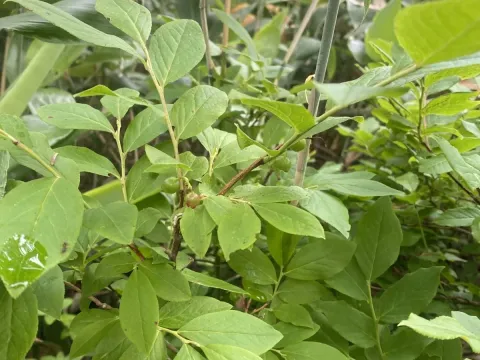
Small's blueberry
Vaccinium smallii
Small's blueberry (Vaccinium smallii) is a deciduous shrub belonging to the Ericaceae family, native to the mountainous regions of Japan. It is highly valued for its ability to thrive in cool, temperate climates and hilly landscapes.
What the section contains
Small's blueberry
The plant strictly requires acidic soils with a pH ranging between 4.5 and 5.5 to absorb nutrients effectively. Ideally, the substrate should be well-drained, porous, and rich in organic matter such as peat or decomposed coniferous needles.
While the species can tolerate partial shade, maximum yield is achieved when plants are provided with sufficient light. Regular watering is vital, especially during the fruit-setting stage, to maintain constant moisture levels in the root zone.
Agronomic practices focus heavily on mulching, which serves to regulate soil temperature and acidity. It is recommended to apply a layer of pine bark or needles around the base of the shrub to suppress weed growth and retain soil moisture.
For commercial use, Small's blueberry is selected for its fruit quality and adaptation to specific alpine conditions. Its ornamental foliage and productive nature make it an interesting candidate for niche markets and experimental small-scale gardening.
Like many species within the Vaccinium genus, this plant is susceptible to fungal issues such as powdery mildew or fruit rot, particularly in areas with high humidity or poor air circulation within the shrub canopy.
Common pests include aphids, scale insects, and spider mites, which can drain sap from new growth and weaken the plant. Integrated pest management using organic sprays is often sufficient to control these infestations.
Root health is paramount, as waterlogging can lead to phytophthora root rot. Ensuring the soil structure is loose and well-aerated is the primary defense strategy against subterranean pathogens and fungal attacks.
Maintaining a balanced nutrient regime using fertilizers specific to acid-loving plants prevents stress-induced diseases. Proper pruning allows sunlight and air to reach the center of the plant, further reducing the risk of fungal outbreaks.
Weed control is essential not only to prevent competition for nutrients but also to reduce habitats for potential vectors of plant diseases. Consistent monitoring throughout the growing season ensures the long-term health of the crop.