
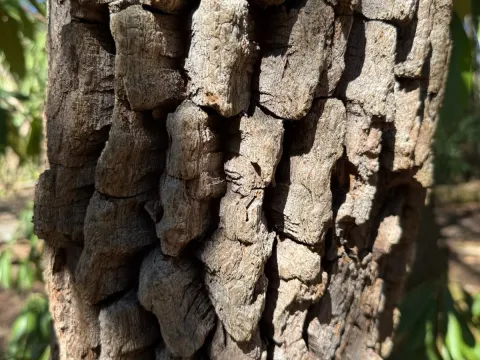
Sourwood
Oxydendrum arboreum
Sourwood (Oxydendrum arboreum) is a deciduous tree belonging to the Ericaceae family, native to the southeastern United States. It is highly valued for its nectar production and stunning autumn foliage colors.
What the section contains
Sourwood
The cultivation of this species requires acidic, well-drained soil rich in organic matter. An ideal pH range is 4.5 to 6.5, which is essential to prevent iron deficiency and chlorosis in the leaves.
It thrives in locations with full sun to partial shade. While it is hardy in temperate climates, young trees should be protected from harsh, drying winds and extreme frost during their initial years of growth.
Good soil moisture management is critical for the healthy growth of Oxydendrum. It does not tolerate prolonged drought, so consistent irrigation is necessary during the summer months, especially in hot climates.
As a slow-growing tree, it is often utilized in specialty landscapes and apiary environments where high-quality honey is prioritized, as Sourwood honey is highly prized for its unique flavor.
The most significant threat to Sourwood is root rot caused by Phytophthora fungi, typically occurring in poorly drained or waterlogged soils. Ensuring proper soil aeration is the best preventive measure.
Insect pests such as scale insects or spider mites may occasionally infest the foliage, particularly if the tree is stressed by drought or unsuitable soil conditions, leading to weakened immune responses.
Managing the health of the tree involves regular scouting for signs of discoloration or wilting. Early identification of pest outbreaks allows for targeted control using environmentally friendly insecticides.
Inappropriate pruning can expose the tree to wood-decaying fungi. All cutting tools must be sanitized to prevent the spread of infections through pruning wounds during the maintenance season.
Maintaining a mulch layer using pine needles or acidic bark helps preserve moisture and soil acidity, which is fundamental in preventing various stress-related diseases in this ericaceous crop.