
Sourwood
Oxydendrum
Oxydendrum arboreum, commonly known as Sourwood, is the sole member of the genus Oxydendrum within the Heath family (Ericaceae). Native to the southeastern United States, this tree is highly regarded both for its ornamental beauty and its biological significance in forest ecosystems.
What the section contains
Sourwood
The cultivation of Sourwood requires specific soil conditions to ensure success. The plant thrives in acidic, well-draining soils rich in organic matter. Gardeners must ensure a soil pH between 4.5 and 5.5, as the plant is highly sensitive to alkalinity, which often causes chlorosis and stunted growth.
Regarding climate requirements, Sourwood prefers temperate zones with consistent moisture. While it is reasonably hardy, it performs best in locations that offer partial shade and protection from harsh, drying winds. Adequate mulch is recommended to regulate soil temperature and retain moisture in the root zone.
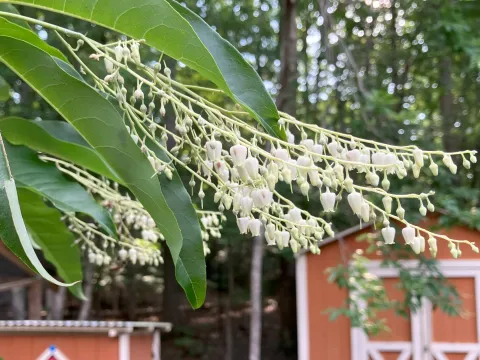
The tree exhibits distinct botanical features, including elongated, drooping racemes of white flowers that bloom in mid-summer. These blossoms are not only visually appealing but also serve as a crucial resource for pollinators, making the tree a focal point for ecological gardens.
From an agricultural standpoint, Sourwood is world-renowned for its honey production. Sourwood honey is considered a premium product due to its delicate flavor, light color, and clear, slow-crystallizing texture. Commercial beekeepers often target stands of Sourwood to produce this high-value honey.
Sourwood is generally considered a disease-resistant tree, provided its environmental requirements are strictly met. The primary threat to the health of the tree is root rot, which is almost exclusively caused by poorly drained soils or excessive irrigation that does not allow the soil to breathe.
In terms of pests, Sourwood is rarely bothered by serious infestations. However, in regions with very dry summers, the tree can be susceptible to spider mites or lace bugs. Integrated pest management, focusing on tree vigor through proper watering, is usually sufficient to prevent significant damage.