
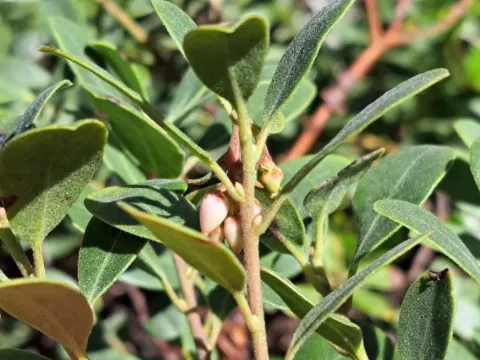
Bearberry hybrid
Arctostaphylos media
Arctostaphylos media is a notable natural hybrid belonging to the Ericaceae family. It is a procumbent evergreen shrub that displays a unique combination of traits derived from its parent species, Arctostaphylos uva-ursi and Arctostaphylos alpina.
What the section contains
Bearberry hybrid
This species thrives in acidic, nutrient-poor, and well-drained soils, typically found in rocky or sandy substrates. It requires high light exposure and is typically unsuccessful in shaded environments or dense competition with taller grasses.
Environmental conditions for successful cultivation must mimic its native subarctic or mountainous habitats. It requires a temperate climate with a clear cold season, which is essential for initiating the plant's natural growth cycle.
Agrotechnical management focuses on soil acidification. Providing a consistent pH between 4.0 and 5.5 is crucial for nutrient uptake, as the plant possesses mycorrhizal associations that are sensitive to chemical fertilizers and alkaline inputs.
In terms of хозяйственное использование, the plant is primarily harvested for its medicinal properties, specifically the presence of phenolic glycosides. It is also gaining popularity in rock garden horticulture due to its aesthetic evergreen foliage.
The primary diseases affecting Arctostaphylos media are fungal leaf spots caused by various pathogens. These infections are more prevalent in greenhouses or areas with poor air circulation and excessive humidity levels.
Pests such as aphids and spider mites frequently target the plant, especially during periods of water stress. These insects suck the sap from tender shoots, which causes premature leaf senescence and stunted development.
Root system issues, including Phytophthora wilt, pose a severe threat in non-draining soil types. Managing water infiltration and ensuring excellent drainage are the most effective strategies to prevent root rot outbreaks.
Environmental stressors like rapid frost-thaw cycles can cause winter burn on evergreen leaves. While the plant is hardy, protecting it from desiccation caused by high winds in early spring is a standard horticultural practice.
Integrated pest management (IPM) is recommended for larger plantations to avoid the use of harsh chemicals. Regular scouting for early signs of disease and pruning of dead wood helps maintain the overall health of the crop.