
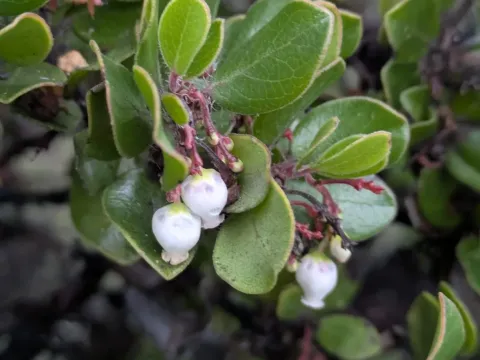
Bearberry
Arctostaphylos Adans.
Bearberry (Arctostaphylos) propagation is typically achieved through vegetative cuttings, as seed germination is often slow and requires rigorous stratification. Cuttings should be taken from semi-hardwood growth in late summer to ensure higher rooting success.
What the section contains

Bearberry
Planting site preparation involves creating well-draining, acidic beds. Since bearberry is a slow-growing species, it is essential to prepare the field thoroughly to minimize competition from weeds during the first two years of development.
When transplanting nursery-grown plants, spacing should be set at approximately 40 to 50 centimeters apart. This allows for lateral spread while ensuring adequate airflow, which is critical for disease management.
The use of rooting hormones and misting systems in greenhouse environments significantly improves the survival rate of young cuttings. Patience is key, as the initial establishment phase can take several seasons.
Direct seeding in the field is rarely practiced for commercial production due to the low success rate and high variability. Therefore, investing in established seedlings or professional propagation techniques is highly recommended for viable plantations.
Bearberry belongs to the Ericaceae family and requires specific soil conditions, specifically acidic (pH 3.5–5.5) and sandy, well-draining substrates. It thrives in soils where organic matter is low but drainage is exceptional.
The plant is highly intolerant of waterlogged conditions. Excess moisture around the root zone leads to rapid decay and fungal infections, making proper site selection on raised or sloped terrain vital.
Regarding climate, bearberry is a hardy species adapted to cooler regions. While it tolerates harsh winters, it prefers sites with consistent snow cover or temperate protection from rapid freeze-thaw cycles that can heave plants from the ground.
Maintenance involves regular mulching with pine needles or bark, which supports the required soil acidity and helps maintain a stable moisture level. Over-fertilization is detrimental; bearberry has adapted to low-nutrient environments.
Exposure to full sunlight is necessary for optimal development and for the synthesis of bioactive compounds. Shaded environments cause the plants to become leggy and significantly reduce the medicinal quality of the leaves.
Commercial harvesting of bearberry leaves typically begins after 4 to 5 years of cultivation. Early harvesting can cause permanent damage to the plant and reduce the long-term productivity of the field.
Under optimal management, yields can range from 300 to 500 kilograms of dried leaves per hectare annually. This yield is contingent on plant age, spacing, and site fertility management.
Sustainable production requires a rotation cycle, with harvest occurring only once every few years for any specific section of the plantation. This allows the plants to replenish their vegetative mass and chemical profile.
Improving yield relies on maintaining plant health rather than forcing growth with nitrogen-heavy fertilizers. Strategic management of moisture and sunlight remains the most effective way to influence biomass production.
Quality control during and after harvest is critical. Contamination by soil, weeds, or inferior woody stems can drastically decrease the value of the final product and its market acceptance.
Fungal pathogens, particularly leaf spot and root rot, are the most significant threats to bearberry. These diseases thrive in environments with poor ventilation or high soil moisture levels.
Integrated pest management focuses on preventive measures, such as selecting resistant cultivars and ensuring optimal plant spacing. Chemical intervention is rarely required if proper site selection and drainage are maintained.
Aphids and other minor pests may appear during the spring flush, but they rarely cause significant economic damage. Regular monitoring and hand-picking or organic soap sprays are usually sufficient for control.
Competition from aggressive weeds is the primary threat to young plantations. Mechanical weeding or careful mulching should be employed regularly until the plants have established a solid ground cover.
Environmental stress, such as unseasonable drought or excessive winter warmth, can impact plant vigor. Keeping the plantation in a balanced ecological state is the best defense against pests and diseases.
The medicinal harvesting of leaves occurs primarily in early spring before flowering or in autumn after fruit maturation. These periods correspond to the peak concentration of active compounds like arbutin.
Harvesting techniques require manual or mechanical clipping of the top 2–3 centimeters of leafy shoots. Harvesters must ensure that the root system remains undisturbed to allow the plant to regenerate.
Post-harvest processing involves immediate drying in well-ventilated, shaded facilities. Temperatures must be strictly controlled between 40 and 50 degrees Celsius to prevent the degradation of heat-sensitive compounds.
Properly dried leaves should be stored in moisture-proof containers in a cool, dark environment. When stored correctly, the leaves maintain their efficacy for up to 5 years.
Sorting the final product to remove twigs, debris, and discolored leaves is an essential final step before packaging, ensuring the product meets pharmaceutical or dietary supplement standards.