
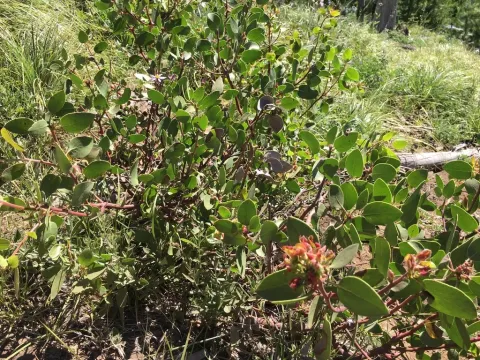
Bearberry
Arctostaphylos
Bearberry (Arctostaphylos uva-ursi) is a prostrate evergreen shrub belonging to the Ericaceae family. It is typically found in northern latitudes and mountainous regions, favoring sandy, acidic, and well-drained soils in open, sunny locations.
What the section contains
Bearberry
The plant is highly adaptable to harsh climates but is intolerant of waterlogged soil. Proper cultivation requires mimicking its natural environment: creating conditions with low fertility and high acidity, typically with a pH level between 4.0 and 5.5.
Propagation is generally performed through seeds, which require stratification, or by vegetative methods such as softwood cuttings. Growth is notoriously slow, which makes the establishment of a commercial plantation a long-term investment.
Management of soil moisture is the most critical aspect of agronomy for this species. Providing optimal drainage prevents root rot and ensures the plant remains vigorous even under challenging environmental conditions.
Economically, bearberry is valued primarily for its leaves, which contain high concentrations of arbutin. This compound is a staple in the pharmaceutical industry for producing urinary antiseptic and diuretic treatments.
The primary threats to bearberry cultivation are fungal pathogens such as rusts and leaf spot diseases. These conditions often arise when the air circulation around the plants is restricted due to overcrowding or high humidity levels.
Weed control is essential during the plant's juvenile stage. Because bearberry grows very slowly, it can easily be outcompeted by invasive weeds, which can shade the plants and deplete necessary soil nutrients.
Insect pests can damage the foliage and reduce the quality of the harvested material. Integrated pest management, focusing on regular monitoring, is recommended to keep pest populations below economic damage thresholds.
Small mammals and rodents may cause mechanical damage to the stems and bark during winter months. Protecting the planting area is advisable if local wildlife populations are high to ensure the long-term survival of the crop.
Preventative cultural practices, such as choosing well-ventilated sites and avoiding overhead irrigation, are the most effective ways to reduce disease pressure without relying heavily on chemical fungicides.
The harvesting of bearberry leaves requires precise timing to ensure the highest concentration of active compounds. Ideally, collection is scheduled for either early spring before flowering or late autumn after the berries have ripened.
Professional harvesters use manual shears to prune only the leafy green tips of the branches. It is strictly prohibited to pull plants by the roots, as this destroys the slow-growing root system and prevents future harvest cycles.
Drying must occur quickly after harvest to prevent enzymatic degradation. A shaded, well-ventilated area with temperatures kept below 50 degrees Celsius is optimal for preserving the chemical profile of the leaves.
Once dried, the leaf material is cleaned, separated from woody stems, and inspected for quality. High-quality product should be crisp and maintain a dark green color, free from moisture or brown discoloration.
Proper storage is crucial for maintaining shelf life. The dried product should be kept in cool, dry, and dark conditions, where it can retain its pharmacological activity for up to five years if packaged correctly.